
From stem cell donor to stem cell transplant nurse – Laura McMahon
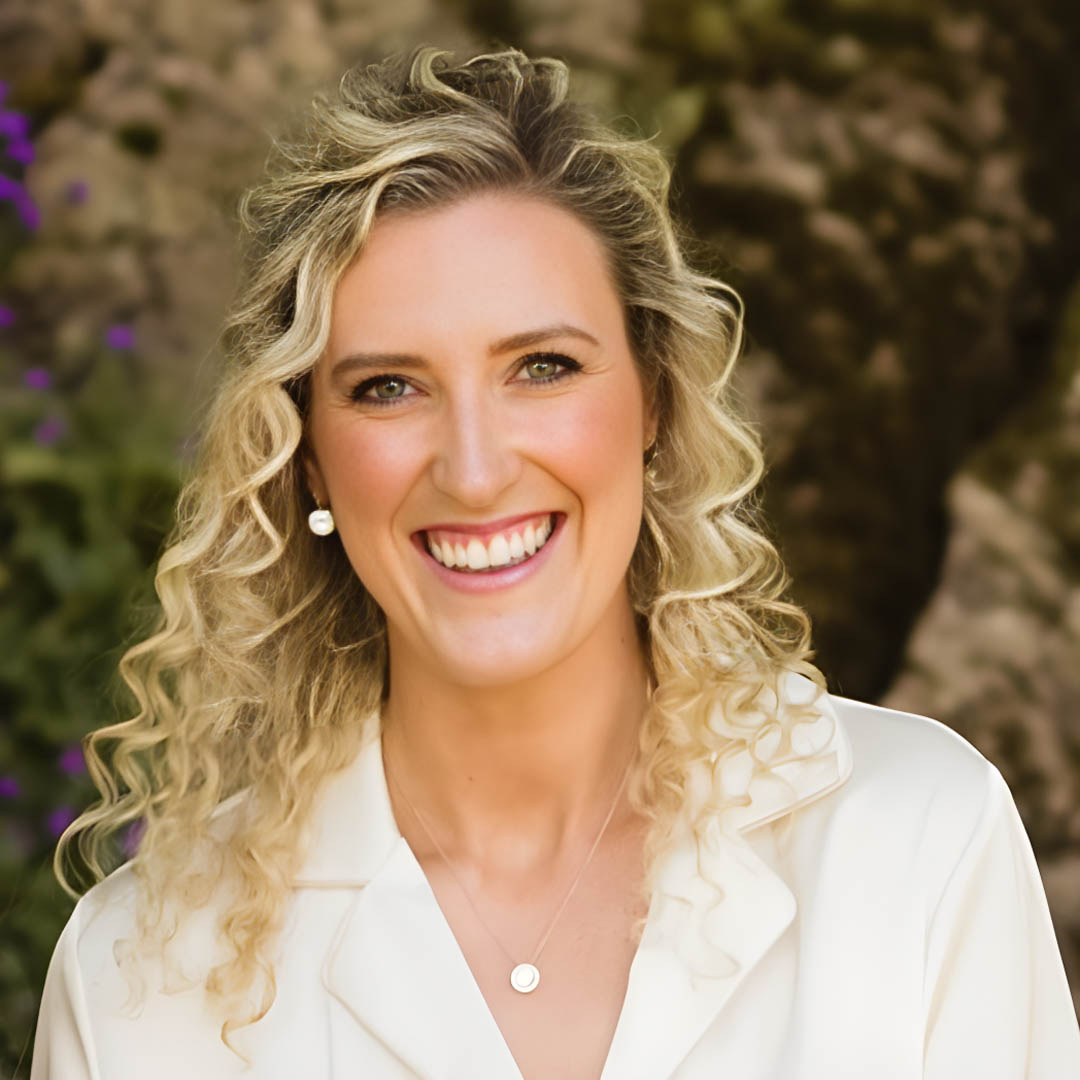
Meet Laura McMahon, acting Clinical Nurse Educator at The Kinghorn Cancer Centre at St Vincent’s Hospital in Sydney.
Laura knows a lot about apheresis. And not just as a nurse.
Roughly a decade ago, back in Ireland, Laura’s own brother needed a stem cell transplant, and Laura became his donor.
At the time, Laura was studying to become a nurse, and didn’t yet have the in-depth knowledge of stem cell collection and apheresis that she has today. She naively thought that her brother would need a few months of chemo to cure his Hodgkins Lymphoma and then he would be fine. But that was not to be the case, a transplant was needed.
Laura says “I remember being selected to be my brother’s donor. There are three of us siblings in the family: my brother, my sister, and me. My sister and I were both good matches, but I was a closer match for my brother on the blood work.
“I went to the hospital and completed the stem cell collection but my brother actually needed more stem cells, so I was called back to do a second donation. I knew from the first time that you need to stay really still throughout the procedure, so for the second one I held off on eating or drinking too much in the leadup to the collection. That meant I wasn’t quite hydrated enough which made the stem cell collection a little more difficult, but I was trying not to bother that staff with having to go to the bathroom during my collection, so my motives were good! I know better now!”
Laura is now a highly skilled nurse who collects stem cells from donors at the Kinghorn Centre at St Vincent’s Hospital in Sydney. Her personal experience gives her a unique empathy for the donors she cares for – especially those donating for family members.
“Donors worry about getting sick prior to the donation, because they’re concerned about having to postpone collection and delay the transplant date, and what that might mean for the patient. And then they feel fearful about whether they’re good enough. ‘What if it doesn’t work? What if I don’t produce enough stem cells?’ But the thing to remember is that what they’re giving is a second chance at life, and I highly encourage anyone who can to register on the stem cell donor registry,” Laura said.
Laura sees that second chance in action every day. She enjoys working in oncology and haematology nursing and finds it particularly rewarding.
“My experience of being a stem cell donor has definitely contributed to my interest in becoming a cancer nurse and working in the field of haematology and apheresis. There are parts of the role as an apheresis nurse that are technically challenging, but that’s true of all areas of nursing. The thing that I think really sets our work apart in haematology, and in particular in the area of stem cell transplant, is the long-term relationships we build with patients and their families. We see patients and their families for months, and we get to know each other really well over that time.”
Laura enjoys getting to know her patients well and says, “You really develop your people skills when you work in this field, too. You see people going through such roller coasters of emotion. We’re with them for all their procedures and tests, and we celebrate with them when results are good, but we’re also there when they get difficult news, too.”
EBMT Conference
Being an emotional support for patients is something that was reinforced for Laura at the EBMT Conference in Florence, Italy which she recently attended with the help of an Arrow/Jazz Pharmaceutical Travel Award.
 “At the EBMT Conference there was a presentation from psychotherapist Surabhi Chaturvedi who reminded us that it’s not just our technical ability that’s important in this job. Of course, you have to be adept at what you do, but there’s a lot more to caring for patients than just the technical. Sometimes just being there and listening to patients and families talk, or sitting with them as they cry, cheering them on when they’re doing well… sometimes those are the things that matter the most to patients. As nurses we sometimes worry about being ‘strong’, but Surabhi reminded us that even if we were to cry with our patients, it’s not the end of the world, and that just being there and sharing the experience with them, just being human with them is enough.”
For Laura, the conference was not just a professional development opportunity, but a reminder of her important role as an apheresis nurse in a worldwide network of care.
“It was great to be able to attend the conference in Florence. The EBMT gave me the chance to meet with colleagues from around the world and be reminded what we’re all part of.
“A presentation I really enjoyed was one from Angela Leather who talked about apheresis as the heart of the transplant, and that no transplants can happen without apheresis. That was really validating. As apheresis nurses we collect cells here that might be used that very same day in this hospital, but we also collect cells that are going to other hospitals in Australia, or even overseas. You might be completing a cell collection and then handing them over to a courier who has maybe flown in from New York to take them back to a patient there. So even from here in Australia I can be part of a stem cell transplant happening on the other side of the world.”
Arrow Scholarships
Finally, we asked Laura what she would say to other nurses thinking about applying for scholarships, like the one that took her to Florence:
“Take the time to find out what’s available. Ask around and see what scholarships your colleagues know about. And check the Arrow website for updates on what’s open when. I’m looking forward to the opportunity to share with my team here at The Kinghorn Cancer Centre not just the things I learned at the conference, but also about how to apply for scholarships like the ones from Arrow.
“It can be a bit daunting the first time you apply for a scholarship. And then if you get it, it can be daunting actually going along to conferences. But when you get there, you learn so much. It’s amazing! And you get to see other nurses and how they’ve shaped their careers. Plus, especially when you go to international conferences, you get to hear about how hospitals in other parts of the world approach things, and you can learn from each other.
“It’s great to be able to see people in your profession from around the world all doing such good work and making such a difference to the lives of the people they look after. A big thank you to Arrow for making it possible for me to attend.
If you would like to help us continue our programs supporting patients, healthcare professionals, and researchers, please make a donation today.