From Transplant to Team Australia: JulieAnne’s Remarkable Journey to the World Transplant Games
Arrow Stories Latest News

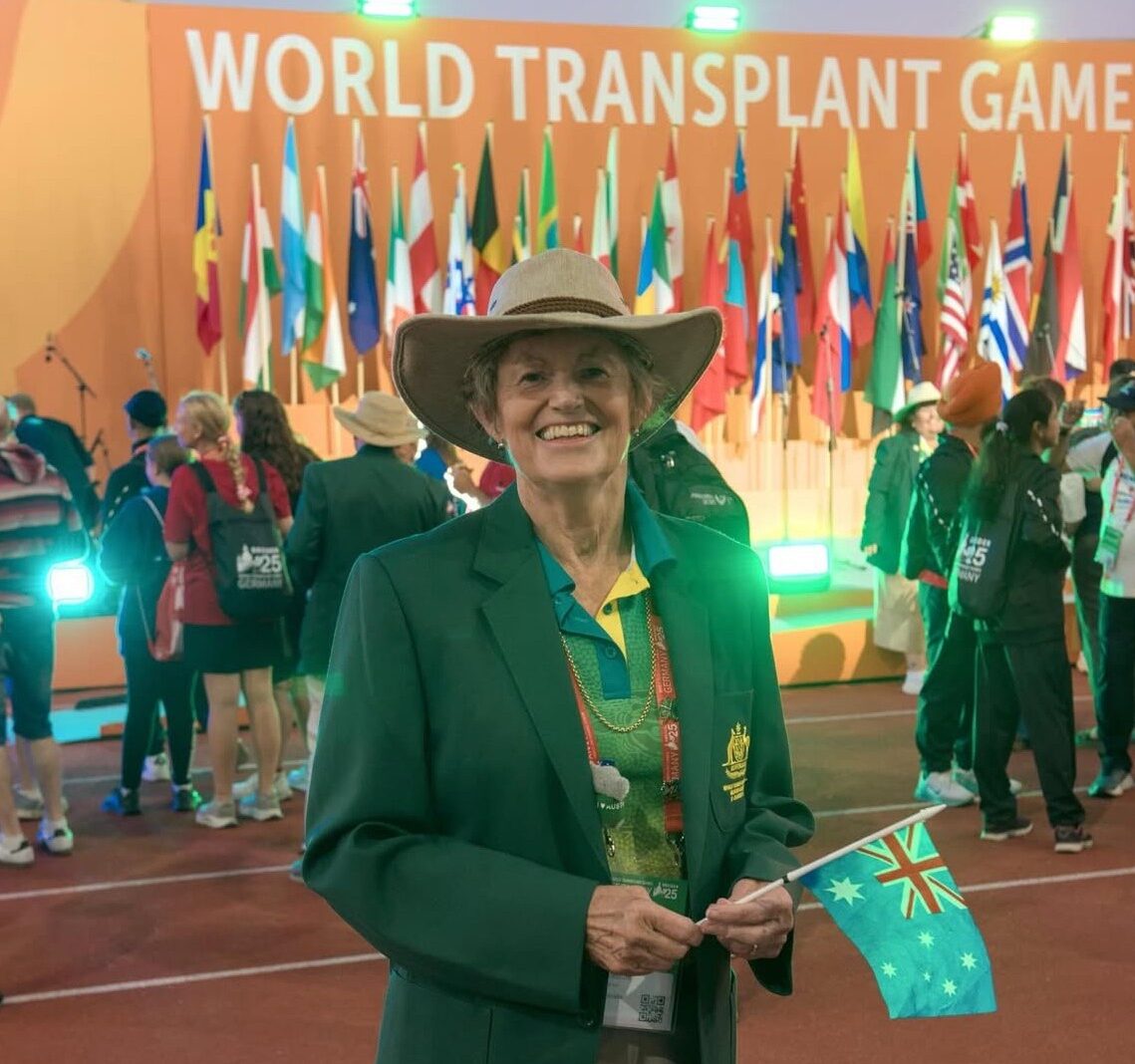
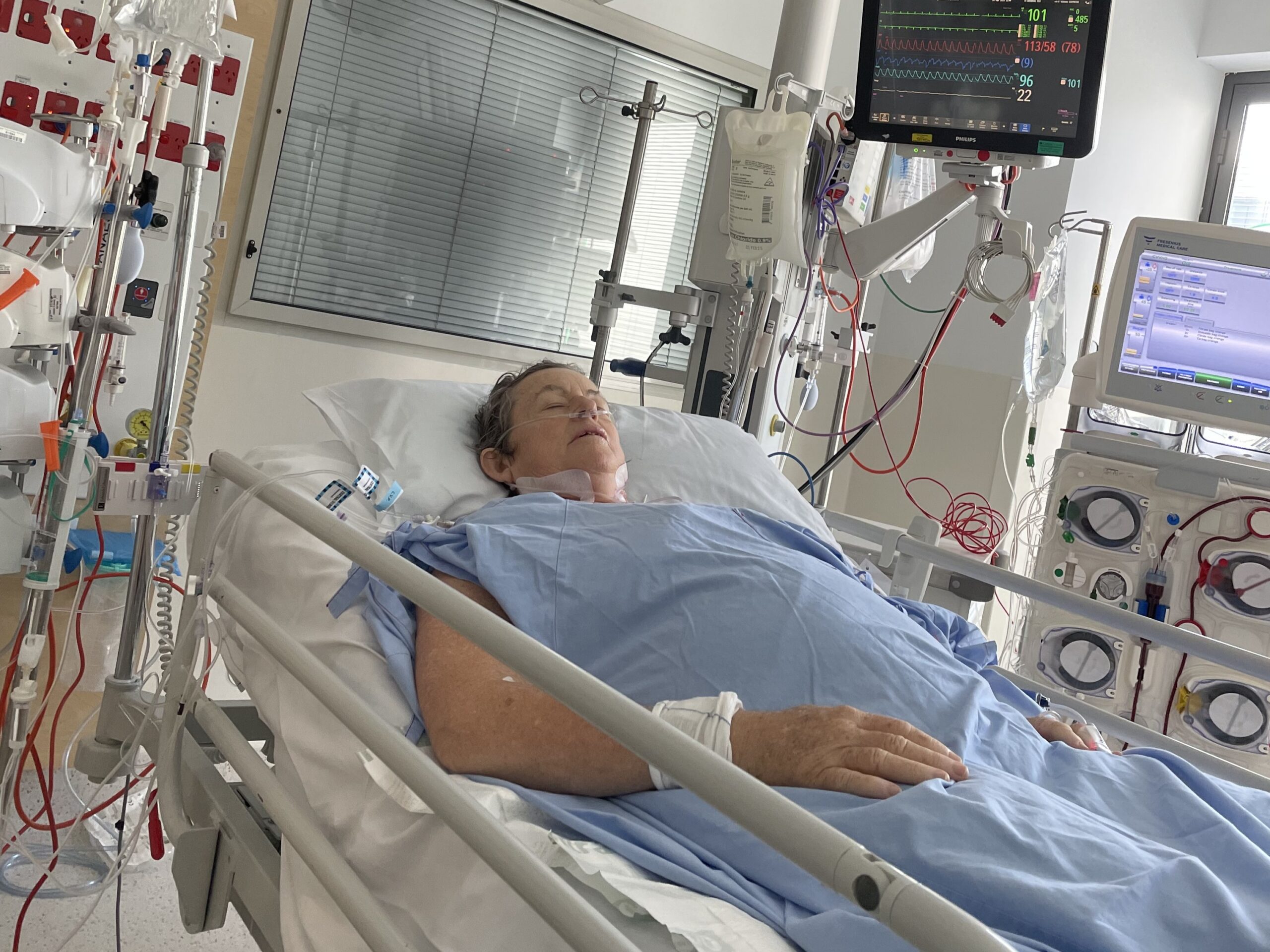
Representing Australia on the world stage was never something JulieAnne Anderson imagined she would experience. Nor was a stem cell transplant. Yet within just a few years, she experienced both.
A rare form of lymphoma
When JulieAnne began feeling feverish and noticed abdominal distension, she assumed it might be a urinary tract infection. But medical investigations revealed something far more serious: angioimmunoblastic T‑cell lymphoma (AITL), a rare and aggressive form of Non‑Hodgkin Lymphoma.
JulieAnne remained on “watch and wait” for two years, until she developed haemophagocytic lymphohistiocytosis (HLH) – a potentially life‑threatening hyper‑inflammatory syndrome that can occur in people with lymphoma or leukaemia. After six rounds of chemotherapy, JulieAnne’s lymphoma had progressed further. At that point, it was determined she would need a stem cell transplant.
Treatment was tough: intensive chemotherapy followed by an allogeneic stem cell transplant. JulieAnne was fortunate to find a matched donor — a young man from Germany.
Rebuilding strength through movement
Being fit and active before transplant undoubtedly helped in her recovery, but her persistence afterward mattered just as much. Even in hospital, JulieAnne kept to a routine: showering, dressing in her own clothes, and walking whenever she could. Moving her body each day gave her structure and supported both her physical and mental health.
As an Occupational Therapist, she has always understood the importance of movement and routine in wellbeing and recovery, and this knowledge guided her rehabilitation after transplant.
World Transplant Games in Germany
Fast forward to August 2025, and JulieAnne was marching into the opening ceremony of the World Transplant Games in Dresden joined by approximately 2,500 athletes from 50 countries and cheered on proudly by her family.
Before her transplant, she had never heard of the Games. But once she discovered them, the idea of competing in Germany, became a powerful motivator throughout her recovery. She set herself the goal of representing Australia in golf at the 2025 Games.
“The games became a bright light for all of us as a family,” JulieAnne says. “They gave us something to focus on and work towards.”
The event also carried extra meaning, with the Games being held in Germany – her donor’s home country.
“I don’t know who my donor is yet — it’s still too soon to contact him — but I made sure I said danke schön to every young German man I met at the Games, because it could be him!”
Not just golf
JulieAnne competed in golf — and won a silver medal — but also took part in race walking, shot put, swimming, and volleyball.
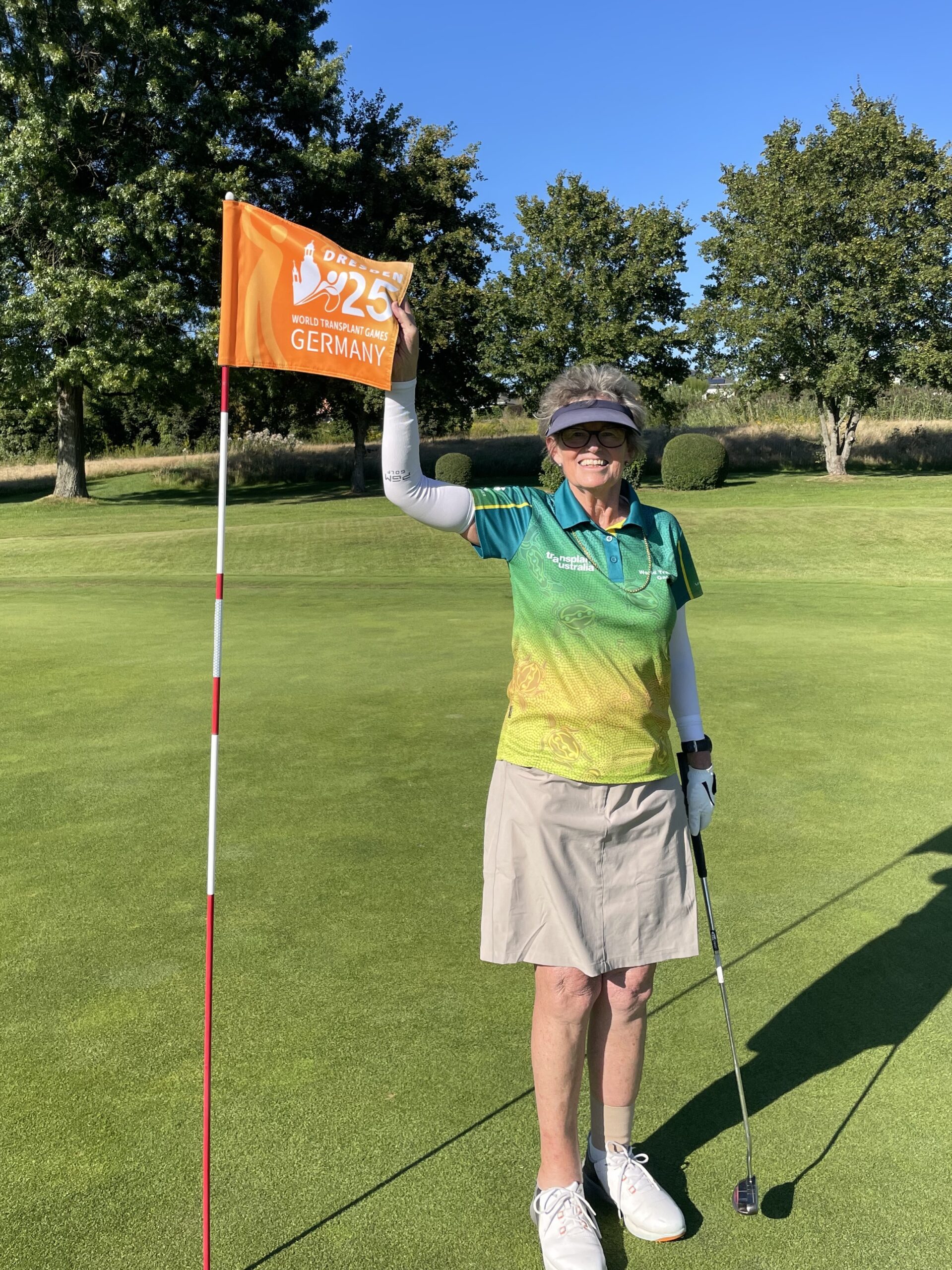
“Turns out I’m not so good at shot put!” she laughs. “And the swimming… that was overwhelming. It was all run like proper competitive events: heats, officials, boxes for our uniforms, water to splash ourselves. I’ve never been a competitive swimmer. But the kids said, ‘We’re so proud of you just being here, Mum. Just get in the water and swim!’”
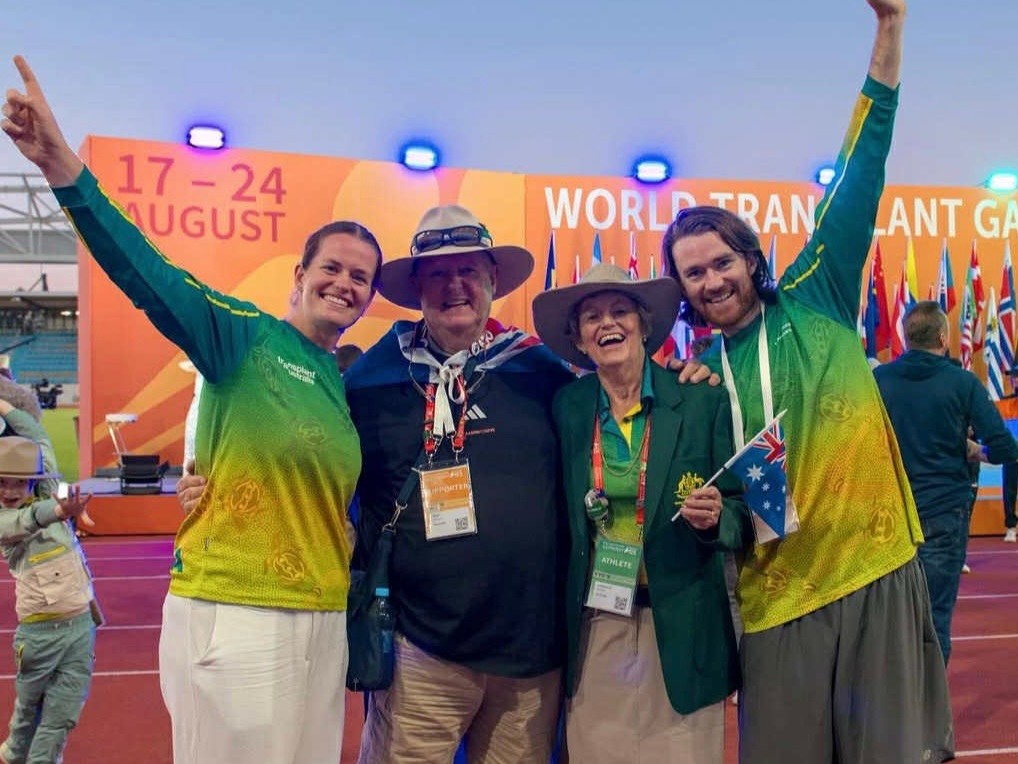
Such joy at being alive
Athletes ranged from age 7 to their mid‑80s. JulieAnne calculated that in the Australian team alone, there was roughly 150 years of ‘extra life’ — years that would never have existed without the generosity of organ and tissue donors.
“There are events now for living donors,” she explains. “And during the opening ceremony, donors and donor families march in last. They got a standing ovation.
“I met an American couple whose 21‑year‑old son had died. They came to watch the people who had received his organs and tissues compete. They said it helped them feel connected to him.
Everyone at the games, competitors and family alike, recognised the significance of it all: the incredible gift of a second chance at life.”
Advocating for activity — and for donors
JulieAnne’s experience at the Games has strengthened her belief that transplant recipients — including those who undergo stem cell transplants — should have structured, supported pathways to return to physical activity safely.
She is also passionate about encouraging more people, especially those from diverse backgrounds, to join donor registries.
“It was hard enough for me to find a donor — and I’m from a background that’s well represented globally. For many people, that’s not the case. Stem cell donation can start with something as simple as a cheek swab. You might never be called to donate, but you could be the reason someone gets a second chance at life, like I did.”
For more information on the Transplant Games and the Registry visit: