Love, Strength and the Role of a Carer: John Delves Story
Arrow Stories Patient Stories

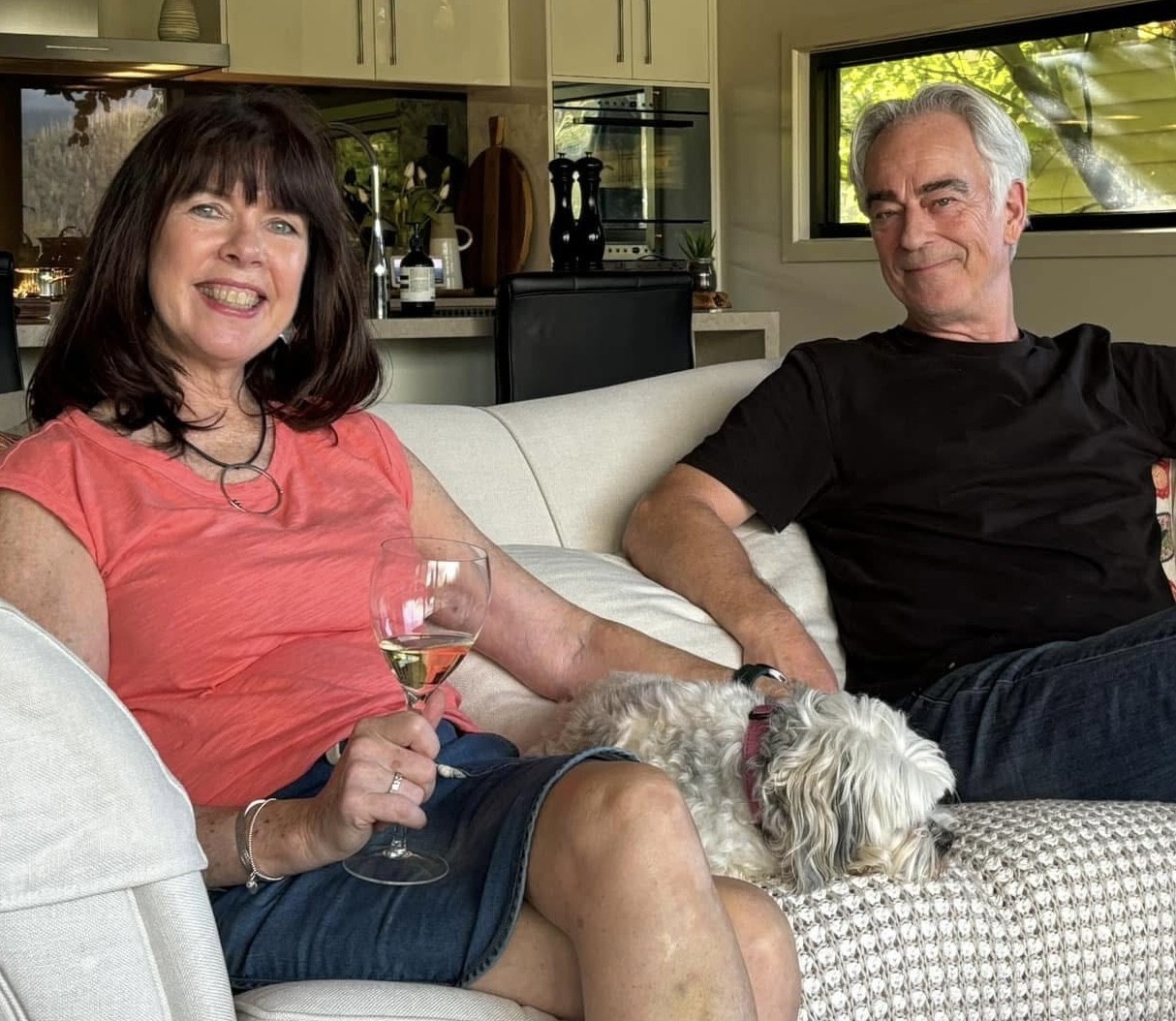
When John heard the news that his wife Geraldine had blood cancer, he was devastated. “It came completely out of the blue,” he said.
He remembers returning home from hospital that night, the shock still sinking in. Their dining table was set for a dinner party with friends that would never happen. As he quietly packed away the food, tears rolled down his face. “Not my girl,” he thought.
What followed was a period of around the clock care and unwavering devotion, as John stood by Geraldine’s side through two rounds of chemotherapy and a stem cell transplant.
“I wanted to devote my life to getting Gerri well. I stayed by her side in hospital from 8.00am – 8.30pm every day. I did not miss a day”, he said.
They were “wrenched out of home pretty quickly” after the diagnosis. But before treatment began, they were given a precious few days back at home. John cherishes that time, being in their own space, spending time with their puppies, talking and preparing together for what lay ahead.
What lay ahead was incredibly hard. “It was the sickest I had ever seen Geraldine,” John said. But he also knew how strong she was and how she approached everything “boots and all”. She was determined to be as fit and ready as possible for the transplant and to “give it her best shot”. John supported her in that determination, joining her on hikes, playing golf together and mountain bike riding around the mountains where they live, to ensure Geraldine would be as physically fit as she could be in the lead up.
During her hospital stay, John became the communications manager. The phone rang constantly with friends and family checking in. At times he felt exhausted and overwhelmed, but he continued to update everyone, even as the calls slowly tapered off. Every day, Geraldine’s daughter Rebecca would, and still does, phone to check on her mum – and always asked about John too, knowing the enormous weight he was carrying.
When Geraldine’s hair began to fall out in clumps, during her pre bone marrow transplant chemotherapy, John gently shaved her head for her. She described it as a special moment. Although emotional, John kept perspective saying, “If this is the worst thing we have to do, then we are doing alright”.
After the transplant, when Geraldine was weak, John encouraged her to keep moving. Together they would walk on the spot inside the hospital room, imagining that they were strolling through the streets of St Kilda, visiting the cafes they could see from the window.
Then came a frightening setback. John contracted COVID while they were staying in an apartment near the hospital for Geraldine’s post-transplant monitoring. I thought to myself, “Oh no! I have killed my wife,” he said. Thankfully, Geraldine responded well to five days of anti-viral treatment and recovered.
John continued to support her through the complexities that followed the transplant, including graft-versus-host disease, countless blood tests, and frequent specialist appointments.
Now over a year on from transplant, Geraldine is in remission. Life looks different in many ways, but one thing has never changed.
“Our love for each other has not changed,” John said. Reflecting on the journey, he shared that experiences like this “truly prove what your relationship means to you”. And for John and Geraldine, their love and their faith remains profoundly strong.
For more insights into the challenges, resilience and wellbeing of carers, watch our latest Caring for the Carer webinar.