Peter’s Journey: Back to Being the King
Arrow Stories Latest News Patient Stories


For many people, the phrase “sex, drugs and rock and roll” might conjure up images of an Elvis impersonator’s lifestyle. But not for Peter.
“I don’t drink, I don’t smoke, I don’t do drugs,” he says.
A self-confessed gym junkie and lifelong athlete, Peter has spent years playing AFL, kickboxing and bodybuilding. He believes his fitness played a significant role in helping him survive what he describes as the toughest experience of his life – a bone marrow transplant.
A Long Road to Transplant
Peter’s transplant was a long time coming.
Twelve years ago, he suffered a major heart attack. After initially being misdiagnosed, doctors eventually discovered he had polycythaemia, a blood disorder that causes the body to produce too many blood cells. Over time, the condition progressed to myelofibrosis, with concerns it could eventually transform into leukaemia.
As his condition worsened, Peter endured years of debilitating symptoms. Severe night sweats forced him to change his shirt five or six times every night, while intense bone pain often left him struggling to walk.
“It felt like I had broken legs,” he recalls.
Determined to help others facing the same diagnosis, Peter created a Facebook support group where patients could share experiences, symptoms and encouragement. Eight years later, the group has grown to more than 2,000 members from around the world.
Peter says the group’s greatest value is helping people realise they are not alone.
“When people are newly diagnosed, they often think it’s a death sentence,” he says. “The group gives them comfort. They can ask questions, share experiences, and realise what they’re going through is often normal.”
Facing the Transplant
In 2024, Peter underwent a bone marrow transplant using stem cells donated by his brother, who was a 90 per cent match.
“I didn’t even think about it,” Peter says. “I said yes straight away because I knew I was going downhill.”
Peter knew the transplant would be tough, but he did not anticipate the number of complications that would follow.
“I didn’t foresee all the complications,” he says.
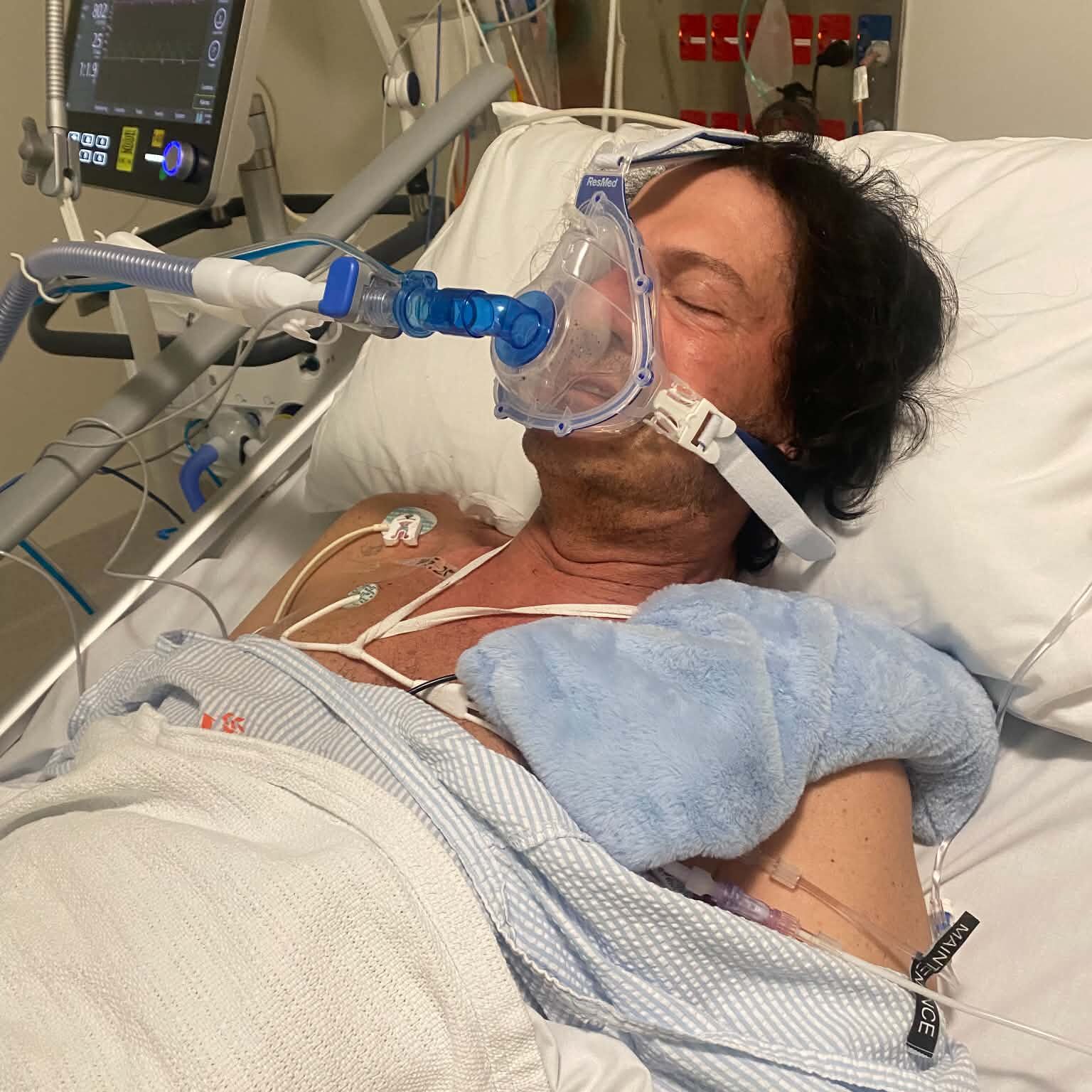
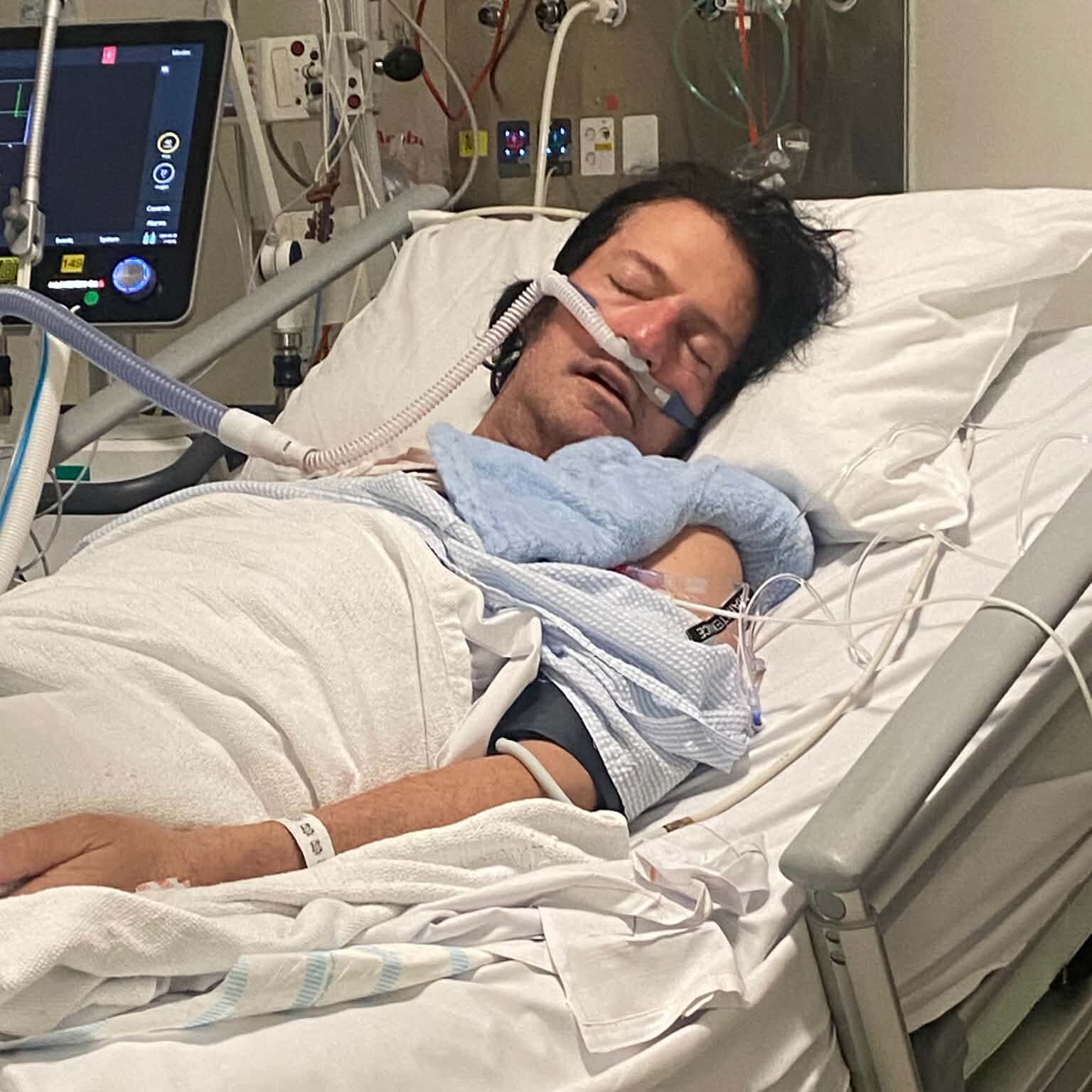
Over the months that followed, he developed a series of life threatening conditions, including sepsis, double pneumonia, mucositis, and heart, liver and kidney failure.
“The first week after transplant I was laughing and feeling pretty good,” he says. “I thought, ‘This is nothing. I’ll be out of here in three weeks.'”
A doctor warned him that after about ten days, he would feel like he’d been “hit by a Mack truck”.
“He was right,” Peter says.
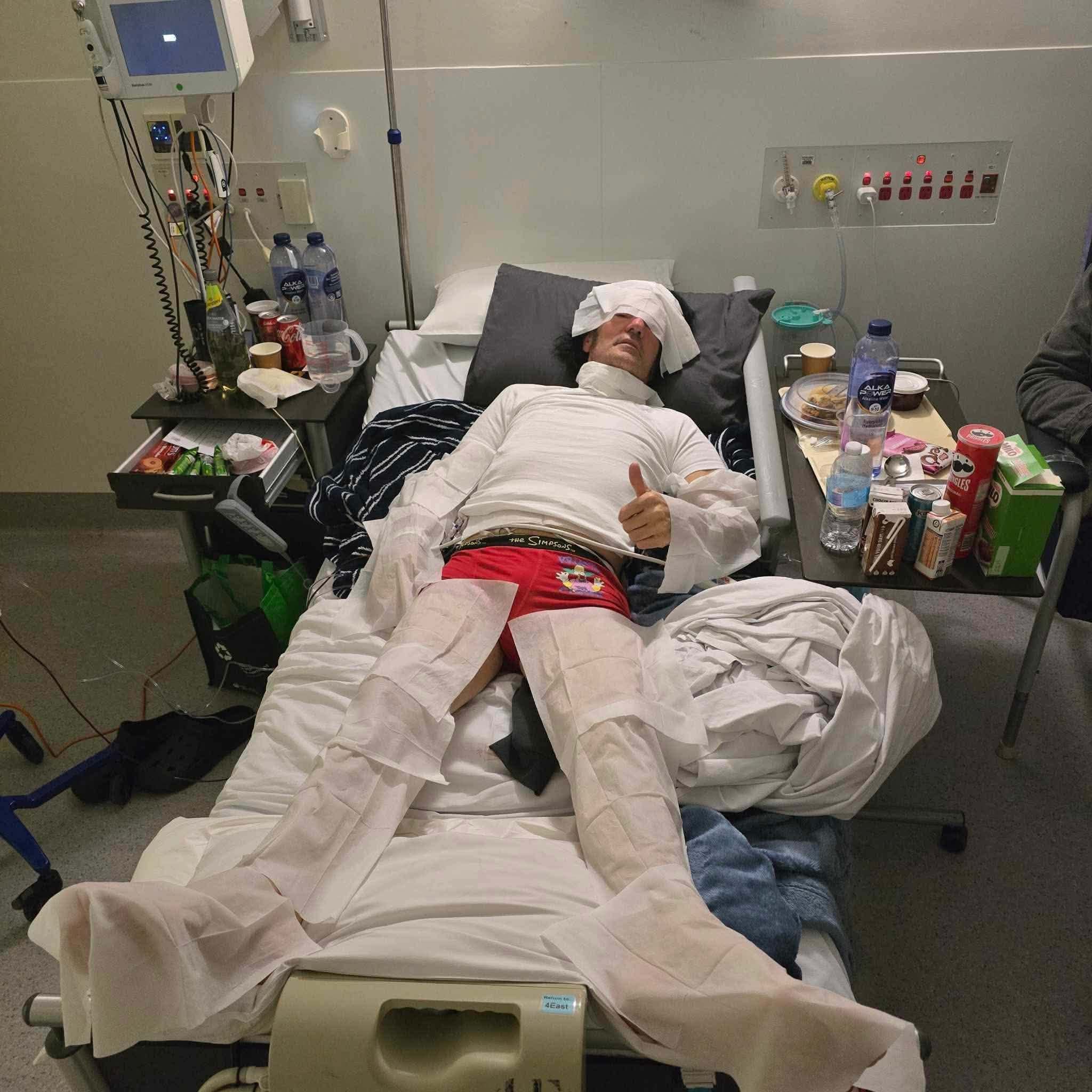
For 30 days, Peter was largely confined to bed. He lost half his hair and dropped from 85 kilograms to around 60 kilograms.
“I looked like a skeleton. I looked a mess.”
Having never needed medication throughout his life, he suddenly found himself taking 50 tablets a day.
“It’s a really big process,” he says. “Anyone who says it’s not, is kidding themselves.”
One Step at a Time
Throughout his three months in hospital, Peter maintained a relentless determination to recover.
Every day he asked his doctors the same question: “When can I go home?”
“You’ve got to be positive,” he says. “You have to keep asking yourself, ‘What do I need to do now? How do I beat this?'”
Despite ongoing setbacks and the need for regular transfusions, Peter never allowed himself to give up.
“I never gave up once.”
Even simple tasks became major achievements. Peter remembers attempting the stairs in the Alfred Hospital South Ward and feeling faint after just three steps.
Rather than focus on how far he had to go, he set himself small daily goals. First 10 metres, then 50 metres, then further still.
Every day he improved.
By the end of the first month, he was eating again and lifting tiny weights that, as he jokes, “a two-year-old could pick up”. He slowly regaining weight and strength. Gradually, the five or six hours of daytime sleeping reduced to quick ten minute “bat naps”, while his daily walks increased to three kilometres.
The Importance of Support
Peter says one of the most important factors in his recovery was the support of his wife, family and close friends.
“You need to have something that you want to come back to,” he says.
Throughout his transplant journey, his wife visited him every day in hospital.
That support, combined with his determination to recover, helped him keep fighting through the toughest days.
Better than Before
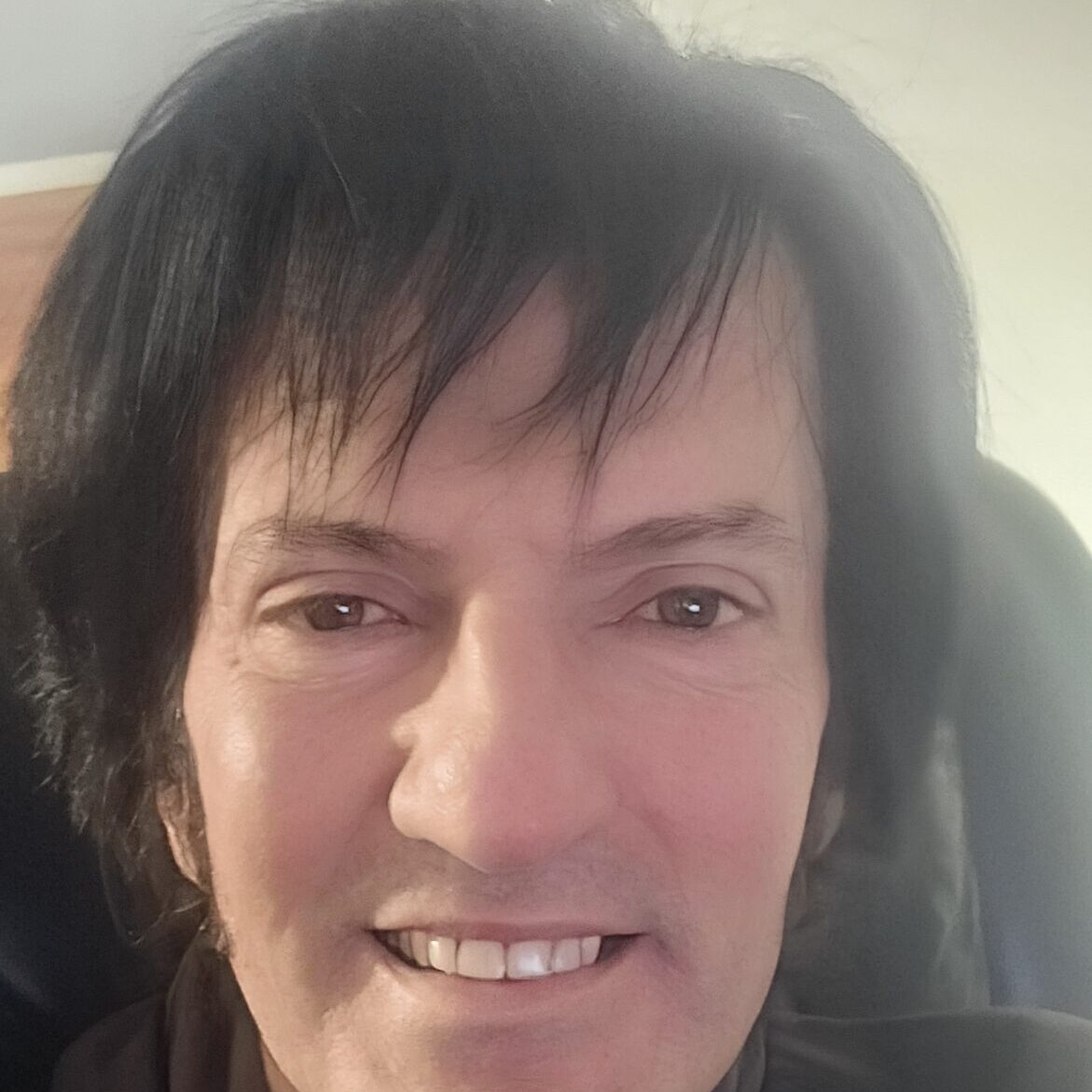
Today, more than a year after his transplant, Peter feels better than he did before.
“Honestly, I feel like I’m 25 again,” he says.
The night sweats are gone. The bone pain has disappeared. The fatigue that once dominated his life is no longer there.
“I can sleep through the night and wake up in the same T-shirt.”
Returning to the Stage
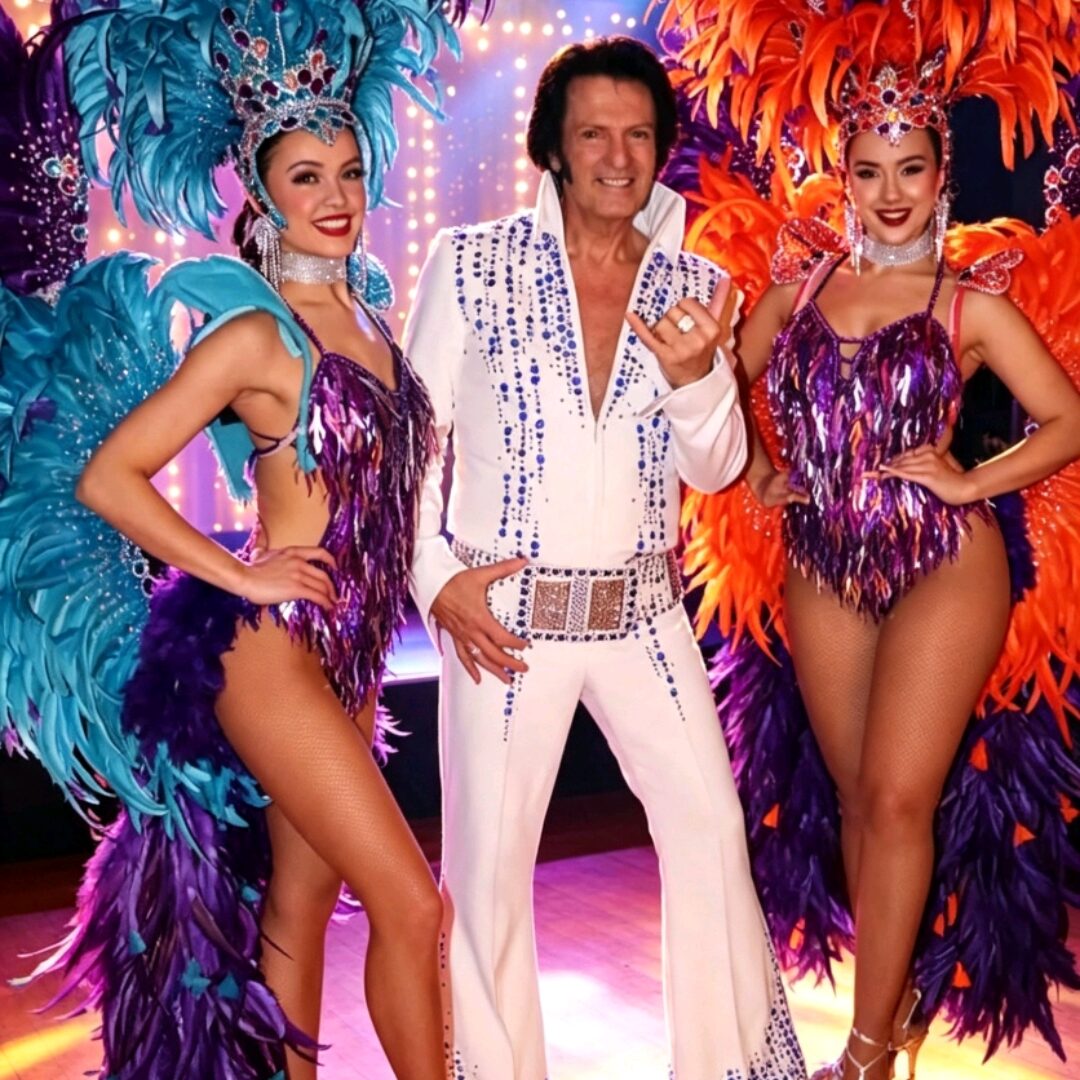
Peter has now returned to his work as an Elvis impersonator, performing live shows that demand significant energy and stamina.
While recovery takes time, Peter wants other transplant patients to know that returning to work is possible, but it requires patience.
“You could probably go back after six months, but you might need to work four or five hours and then take a couple of days off,” he says. “It does take its toll on you.”
For Peter, it took about a year before he felt ready to return fully to performing.
Backed by his full band and showgirls, Peter has stepped back onto the stage, performing to crowds of 200 to 300 people.
“I was sceptical I could come back,” he says. “I need the voice and the moves. But things are going well.”
Since returning just a few weeks ago, he has already completed eight shows.

Sharing the Whole Story
Peter is passionate about sharing the realities of transplant recovery, including aspects that many people are reluctant to talk about.
One of those was the impact on his sex life.
Following his transplant, Peter experienced retrograde ejaculation, a side effect that can occur after intensive chemotherapy and radiation treatment.
After seeing a specialist, Peter learned that some transplant-related side effects can take anywhere from two to five years to improve.
For Peter, it took around 10 months before things returned to normal.
“The effects of the transplant can last years, but I found things gradually improved,” he says. “My appetite came back, food tasted normal again, and my sex life improved too.”
“I think people need to know that because it can be worrying when you’re going through it.”
Giving Back
Peter says his experience has given him a profound appreciation for life.
“I now truly know what ‘pay it forward’ means,” he says.
During his treatment, Arrow supported Peter and his wife with fuel and grocery vouchers, helping relieve some of the financial pressure that comes with a lengthy recovery.
“It’s OK not working for the first 3-6 months, but after that it really starts to hit home,” he says.
“Arrow doesn’t get enough credit. I’ve seen first-hand what you do for people. It’s fantastic.”
Peter is particularly grateful because he now has something very special to look forward to: becoming a grandfather.
“I wouldn’t be here to see my grandchild if it wasn’t for this transplant. You become very grateful and thankful just to be here.”
A Message of Hope
Looking back, Peter is honest about the challenges.
“It’s not an easy journey,” he says. “But there is light at the end of the tunnel.”
“I personally got back to where I was before transplant…”
His advice to others is simple.
“Listen to your body. If something isn’t right, go to your doctor.”
He is also deeply grateful to the team who cared for him throughout his treatment.
“The team at The Alfred Hospital were sensational,” he says. “If it weren’t for them, I’d be dead. Find the right specialists and the right team. Get a second opinion if you need one. I chased answers and I persevered.”
Today, Peter is focused on giving back.
“This payback that I’m doing is purely for my soul,” he says. “I want to thank the world for saving me, and I want to help save others.”