The First 100 Days: A Father’s Journey Through Transplant
Arrow Stories Patient Stories

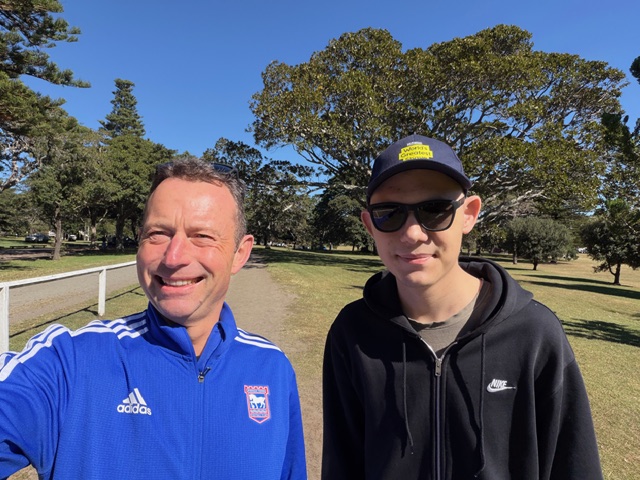
In September 2025, my 18 year- old son Charlie was diagnosed with leukemia. He was fit, active, and had recently started a job, saving for his dream of becoming a commercial pilot. He had just come off an incredible six month ‘gap year’ – doing a skiing odyssey with me, exploring Japanese culture with his Mum, and going on an African safari as a family.
Then things changed quickly. He started feeling light headed at work, had night sweats and lost weight rapidly. Maybe anaemia, a virus, diabetes – Dr Google had plenty of suggestions. A few blood tests later, we received a phone call from the GP: “Go to Emergency now – they are expecting Charlie. His white blood cell count suggests leukemia”
To say we were shocked is an understatement.
Six weeks later, Charlie was still in hospital, about to start his second round of chemotherapy. The specialists explained that the best long- term option was a bone marrow transplant. It was hugely confronting and scary. Thankfully, the care team provided clear information and resources to help us understand the road ahead.
Tip – If you are unsure, ask. there are no stupid questions, and the care team knows how overwhelming this is.
Five months after diagnosis and after treatment to get Charlie into remission he went back into hospital for the bone marrow transplant. A week of chemotherapy and radiation began the process. The radiation was brutal and caused uncontrollable vomiting.
Tip - Go hard and early with the nausea management – the nurses can help.
Transplant day was surprisingly anticlimactic – just a couple of hours of infusion. Then came 3-4 weeks in isolation. The first few days were manageable, but things became tougher after further chemotherapy. I helped massage his legs and keep him moving with gentle stretches, while his mum brought in home cooked meals.
Tip – Bring in comfort where you can – Charlie brought an extra mattress into hospital which made a difference.
Mucositis hit hard during this period. As a parent, you feel helpless watching it. Initial pain relief didn’t work, but switching to a self administered pump helped Charlie regain some control again. The pain was still there, but manageable.
Tip - don’t be shy with the nurses on pain management as they have lots of options.
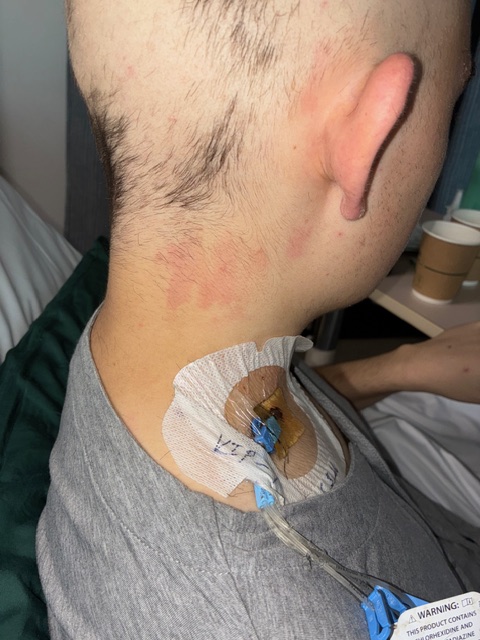
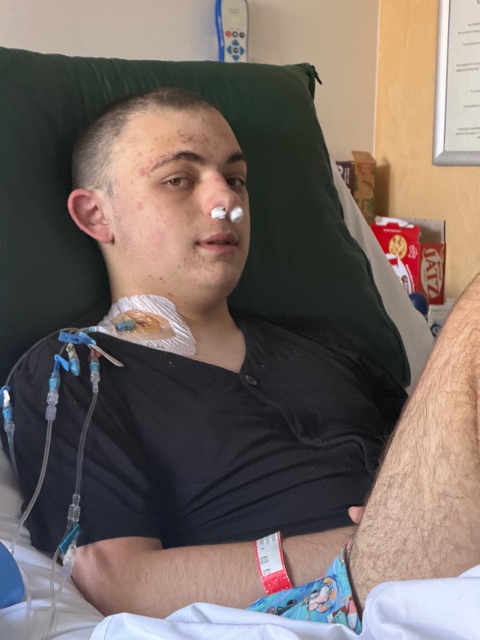
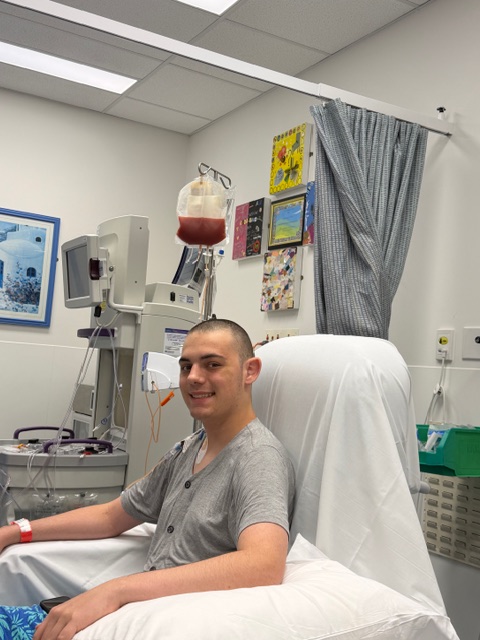
Days blurred into a cycle of sleep, transfusions, medications and more medications. No hugs – everything was about protecting Charlie’s immune system.
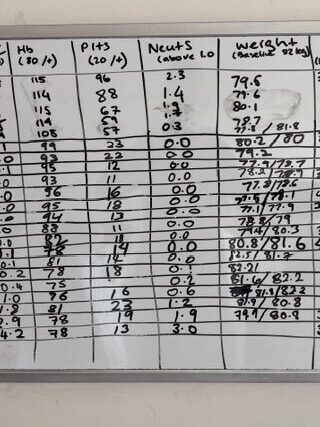
Everything revolved around the whiteboard chart which tracked blood counts daily. We waited for white cells and neutrophils to rise so he could go home. On day 13, things started to shift, and by day 20, the numbers looked good. However, a test came back, and the registrar wasn’t comfortable releasing him. Emotions were so raw and tears were just natural. Contact was made to the consultant who varied some medications and discharged Charlie. The consultant knew Charlie by now and understood he needs to get him home.
Tip - Be ready for the roller coaster of emotions things can change quickly
Then the slow rebuild began. Charlie’s energy was low, his appetite poor, and weight dropped. It was important to get Charlie moving again; however, he was weak and occasionally vomited. Charlie was trying to rebuild energy by increasing food intake and just trying to move more – but even going to the toilet was sometimes exhausting.
We started with short walks – to the local park, the oval, the foreshore – that was the limit. I got frustrated that I couldn’t take him for longer walks. Walks were always with Mum or I and sometimes with our beloved dog – Douglas. It was still summer and although Charlie needed to avoid the high UV times, the weather was nice and warm so that was in our favour.
Side effects included fatigue (he was constantly tired however much he slept), nausea, vomiting, loss of appetite, and tremors from medication. Days 20 to 56 felt like a slog. I initially pushed him too hard, then realised I needed to step back. Talking to others who had experienced chronic fatigue, and another who had glandular fever, helpeds reset my expectations. We settled into a good rhythm – gentle progress without pressure.
The days and weeks blended together with the highlights including visits to his consultant and visits from friends in the garden. Charlie’s food intake increased but occasionally he was sick again. It seemed like two steps forward and one step back, but the big picture was good.
By day 56, there was no graft versus host disease, weight stabilising, walking improving (measured on Garmin/Strava with all my Running Club cheering us on), and medications reduced from 15 tablets to 9 a day.
By Day 75 things had are gradually improved with food intake increasing, longer walks (up to 3.6km walk around Sydney’s Centennial Park) and some ultra-light and simple bodyweight strength exercises beginning.
As a parent, it truly is one day at a time. I have felt anger, sadness, frustration and loneliness. Patience doesn’t come naturally to me, so this has been a real test.
But there has been something unexpected too – the conversations. Deep, honest and meaningful conversations with Charlie. I feel incredibly privileged to have shared those moments with him discussing his thoughts, fears and ambitions.
Not many parents get that opportunity with their 18 year old.
So, when you can – embrace it and cherish these moments.
Adam Squire