Vanessa’s Journey: Finding Strength in One Powerful Question
Arrow Stories Latest News Patient Stories

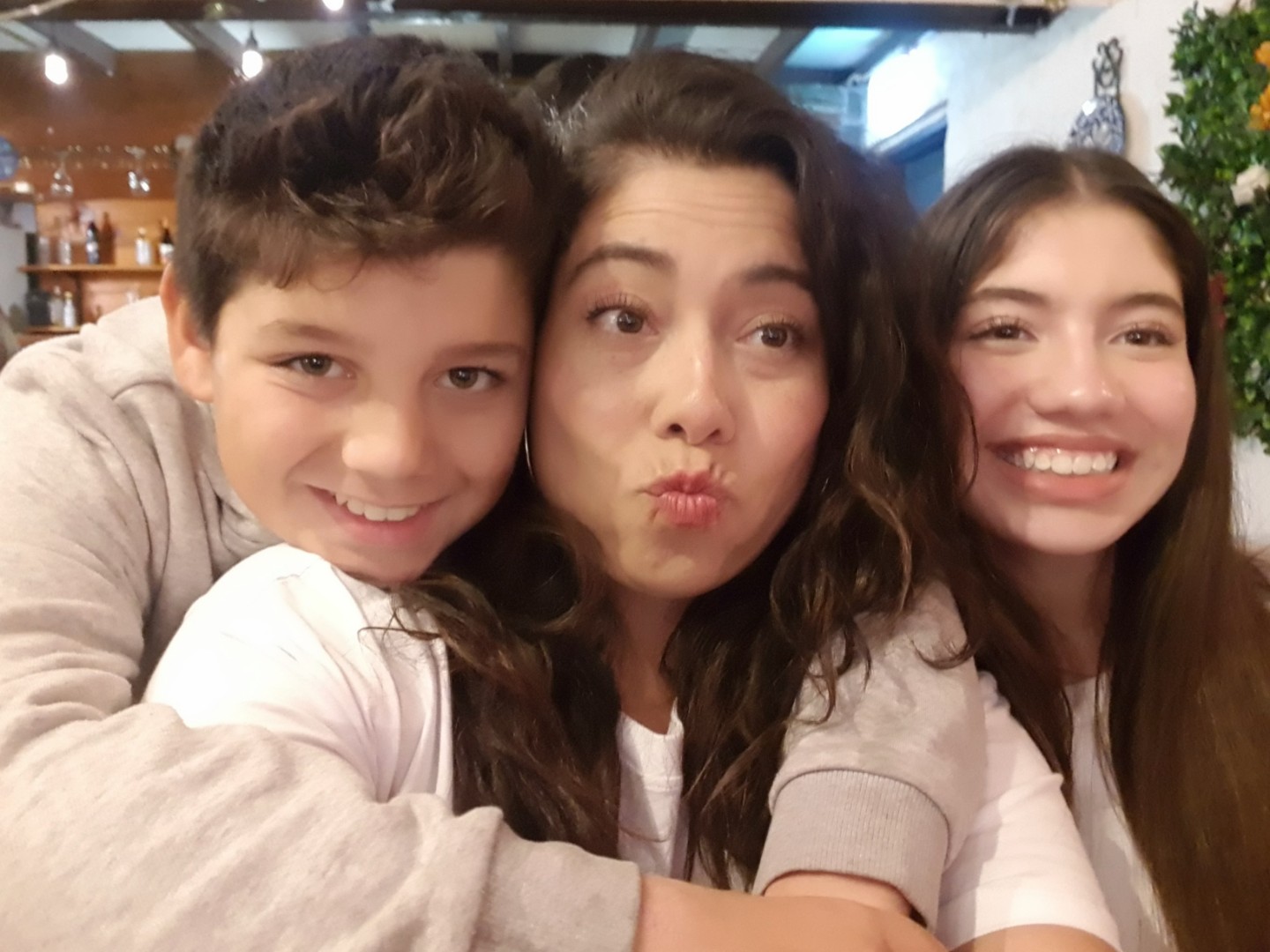
What do I need to do to get better?
When Vanessa was told she had a suspected case of leukaemia, she dropped the cup she was washing in the sink. She was in complete shock but held onto that word ‘suspected’, telling herself everything will be fine.
In the hospital, her treating haematologist and two nurses came to visit with the bone marrow biopsy results. They asked if she wanted anyone with her for the discussion.
“No, I will be fine,” she replied, still holding onto that word ‘suspected’.
The doctor said, “I am sorry to tell you Vanessa, but you have acute myeloid leukaemia”.
Vanessa sat on the bed, in complete shock as the world spun around her.
Now the word ‘suspected’ could no longer offer hope. Leukaemia had become a reality. Her first thought was, “I am 39 years old with two kids. I don’t want to die.” Her second thought, which she immediately asked the doctors, was, “What do I need to do to get better?”
That one line, “What do I need to do to get better?, carried Vanessa through her entire journey. It was a kneejerk reaction and an instinctive thought, but it became the guiding light that helped her through some of the hardest moments of her life.
Vanessa’s journey was far from easy. There were many times she wanted to “put the sword down”, and there were several life threatening moments along the way. She experienced a stroke, spent time in ICU, temporarily lost her vision, and had to relearn how to walk again – all before the transplant even took place.
Vanessa was scared of having a stem cell transplant. She was scared of GVHD, she was scared of having another stroke, and scared she would be among the percentage of people for whom the treatment doesn’t work. But for Vanessa, the positives outweighed the negatives. She kept a strong and steely focus that she would be in the 60% of people that get better.
She knew it was her only chance of survival, so she continued with a transplant, receiving stem cells donated by an anonymous donor from Germany.
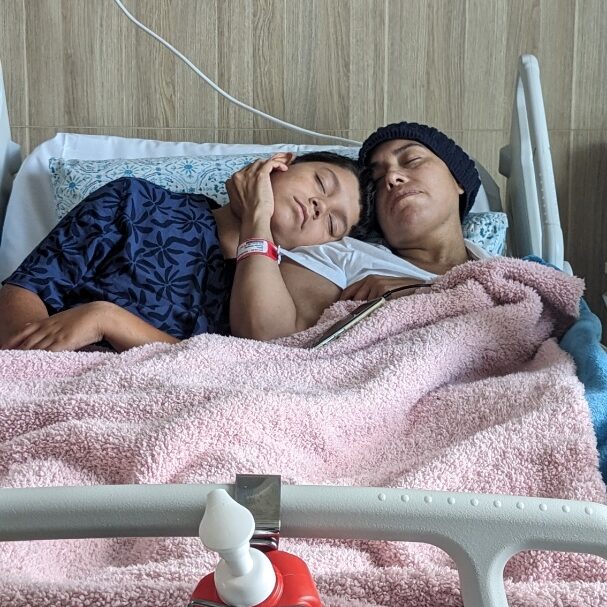
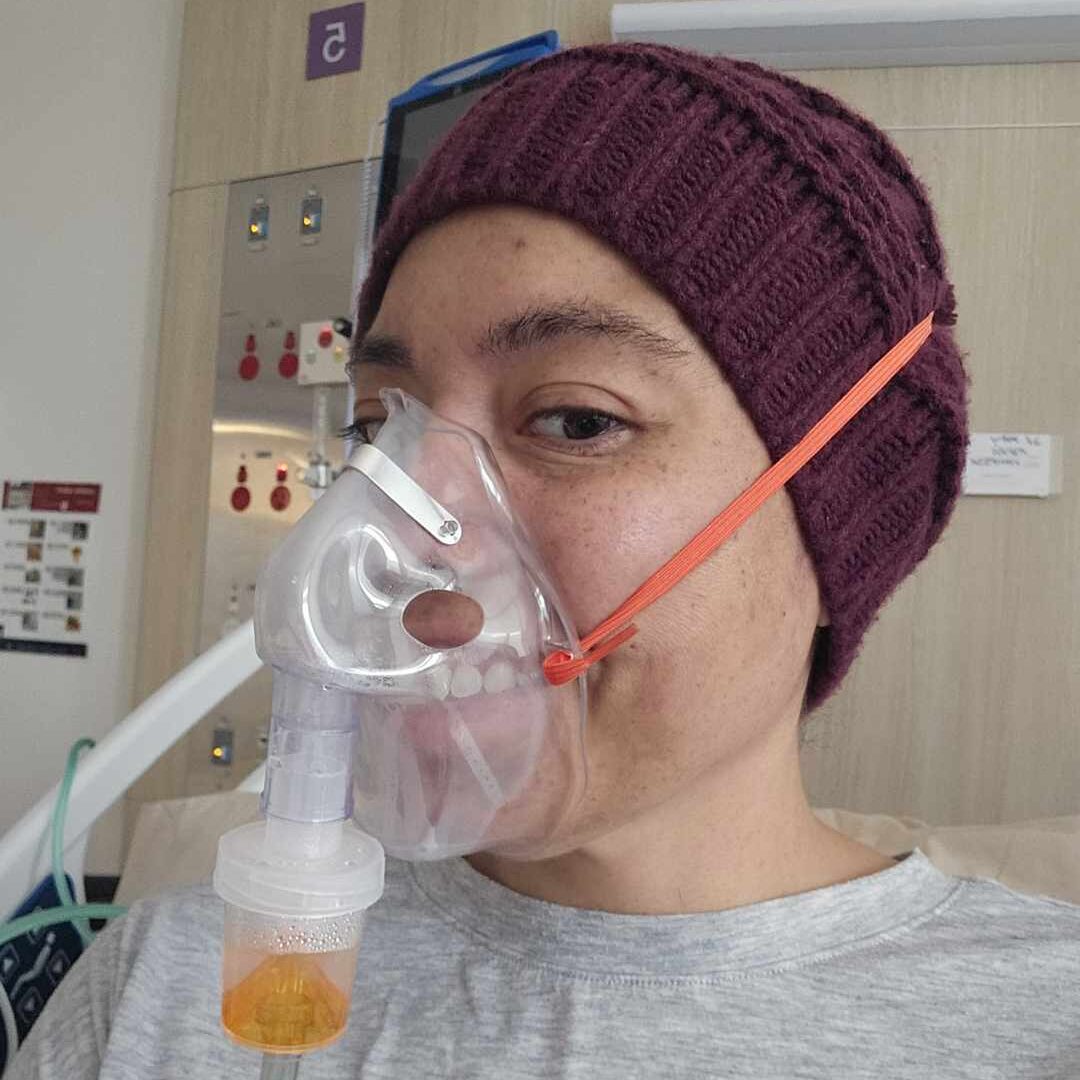
The treatment itself was a physical and emotional rollercoaster. Vanessa was in and out of hospital. She would make progress, then get a fever and regress. It was emotionally exhausting, but she always maintained hope. She reminded herself that it was all temporary and that she just had to do the little things that would add up to help her get better.
When reflecting on her journey, there are many difficult moments, but what makes Vanessa most emotional is remembering the genuine care of the medical and nursing teams.
“The way they take care of you – not just in the medical sense but also your spirit is absolutely phenomenal. They listen to your fears and make sure you are ok emotionally. When the whiteboard in your room with all the observations and numbers becomes overwhelming, and you don’t know what it means, they take the time to explain it to you. They have great knowledge and are just a buzzer away.
The nurses see everything. They see you vomit, lose hair, cry, deal with side effects and give you medication. But they handle it all with dignity and respect. They take everything in their stride. They don’t make you feel any worse than you need to. They put their heart and soul into caring for you. Their care and expertise make a massive difference – they genuinely care.”
Vanessa fondly recalls special, and sometimes life changing, moments with members of the medical team who looked after her.
Harry, a registrar, held Vanessa’s hand in ICU during one of her darkest moments and said “We are throwing everything at you. We are not giving up on you, you can’t give up either.” It was a powerful thought at a crucial time and gave Vanessa the motivation to keep fighting.
Then there was young Gabby with her beautiful nails. She would bounce into Vanessa’s room, sit down on the chair and rub Vanessa’s leg.
“What are we going to do today?” she would ask. “Go for a walk?”
“I can’t” Vanessa replied.
Five minutes later, Gabby returned with a walker.
“Yes you can.”
And off they would go, doing a lap of the ward.
There were many lonely times in hospital, particularly during the nights. That’s when Blake would arrive. Clocking in for the night shift, he would swing open the door and proudly announce with a smile, “Hey Ness, I am here! I am on tonight and we are going to have a fabulous night!”
He would check whether Vanessa had enjoyed a busy day of visitors. If not, he would make an extra effort to spend time with her, often sitting for a few minutes watching TV together.
Blake was also the nurse who proudly administered Vanessa’s stem cells, or as he called them, “liquid gold”.
“I want the pleasure of giving you your stem cells,” he said. “But just a warning, it is completely anti-climatic”. And it was.
Then there was Francesca. Each morning she would deliver Vanessa a coffee with a post it note attached, featuring an inspirational quote or a message about how proud she was of her progress.
“Today might be the day,” she would write when a milestone was within reach.
“Your hair is looking great today,” she would jokingly write after chemotherapy had caused Vanessa to lose her hair.
These are just a few of the nurses that Vanessa “absolutely loved” and can not speak about without being overcome with emotion from the weight of the impact their care had on her experience.
Today, just 2 years on from her diagnosis, Vanessa is back working full time. Returning to work has given her a great sense of normality, because it is something “healthy Vanessa” would have done.
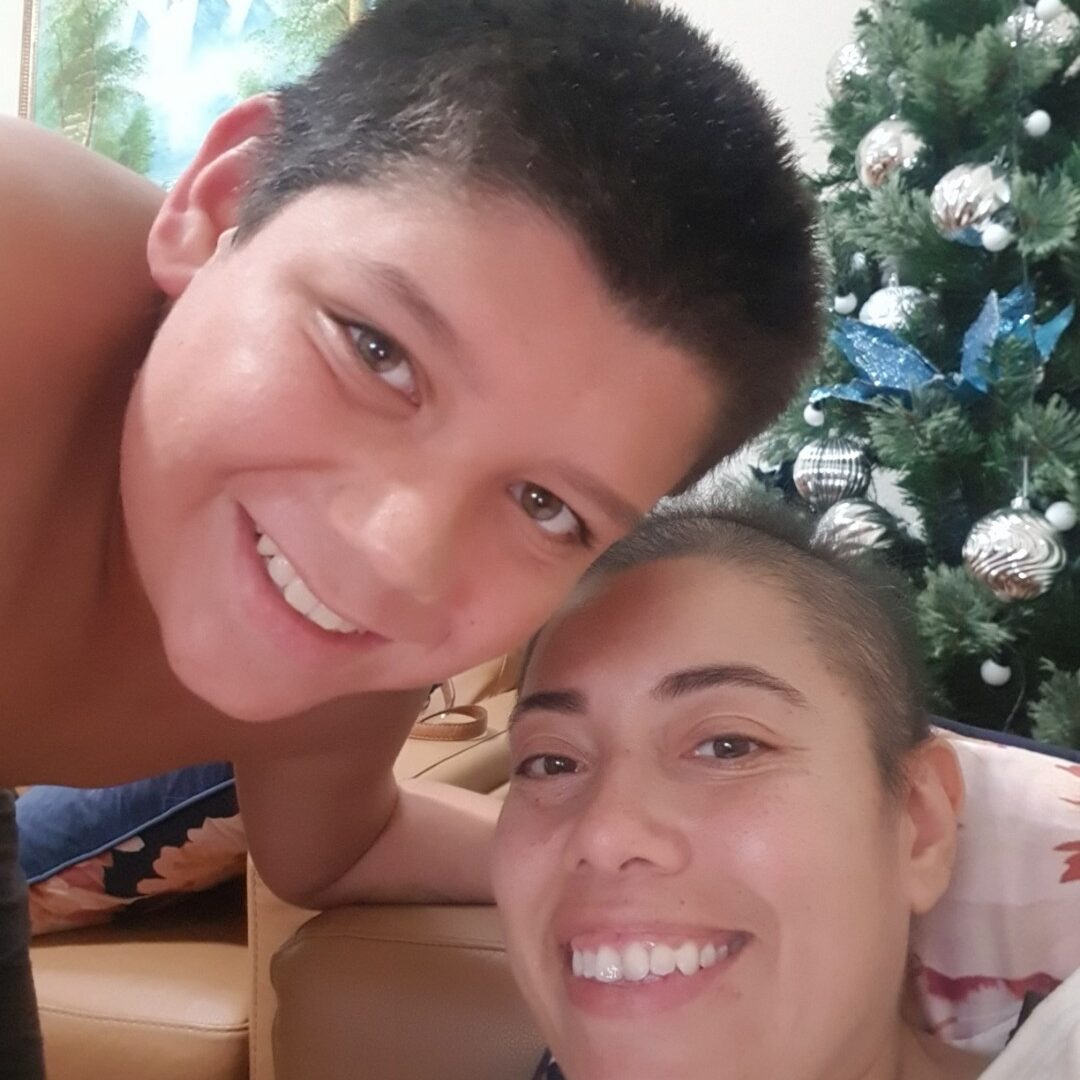
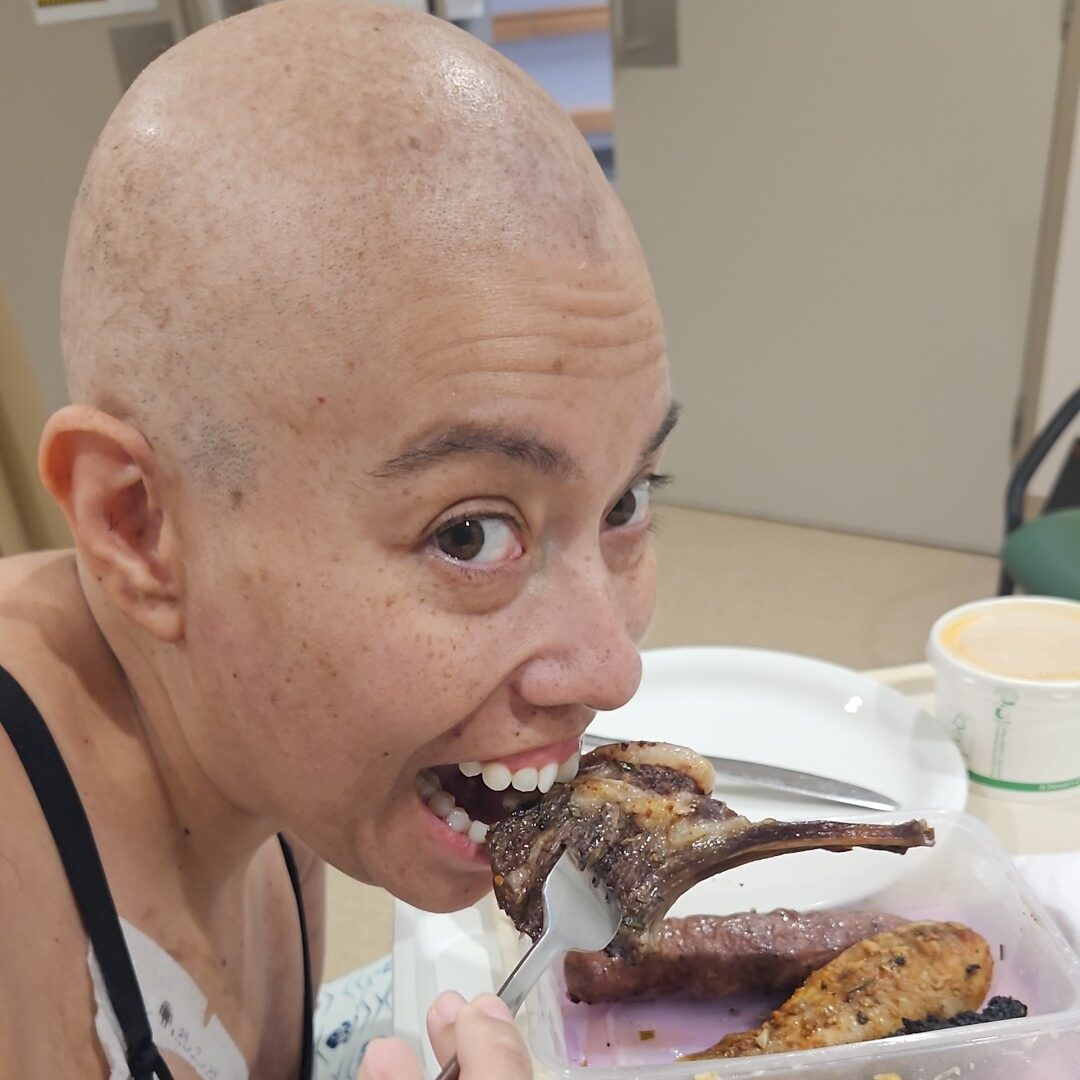
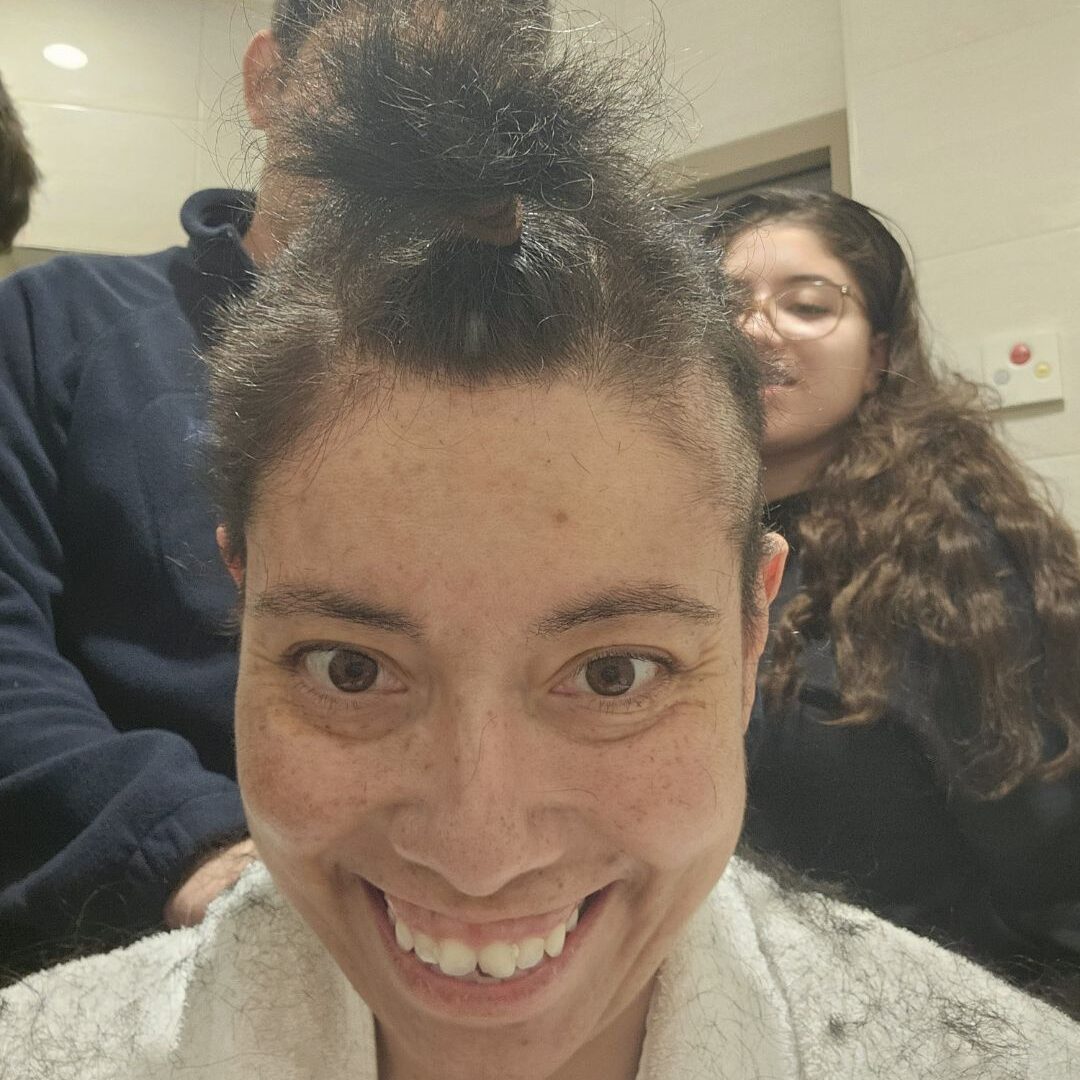
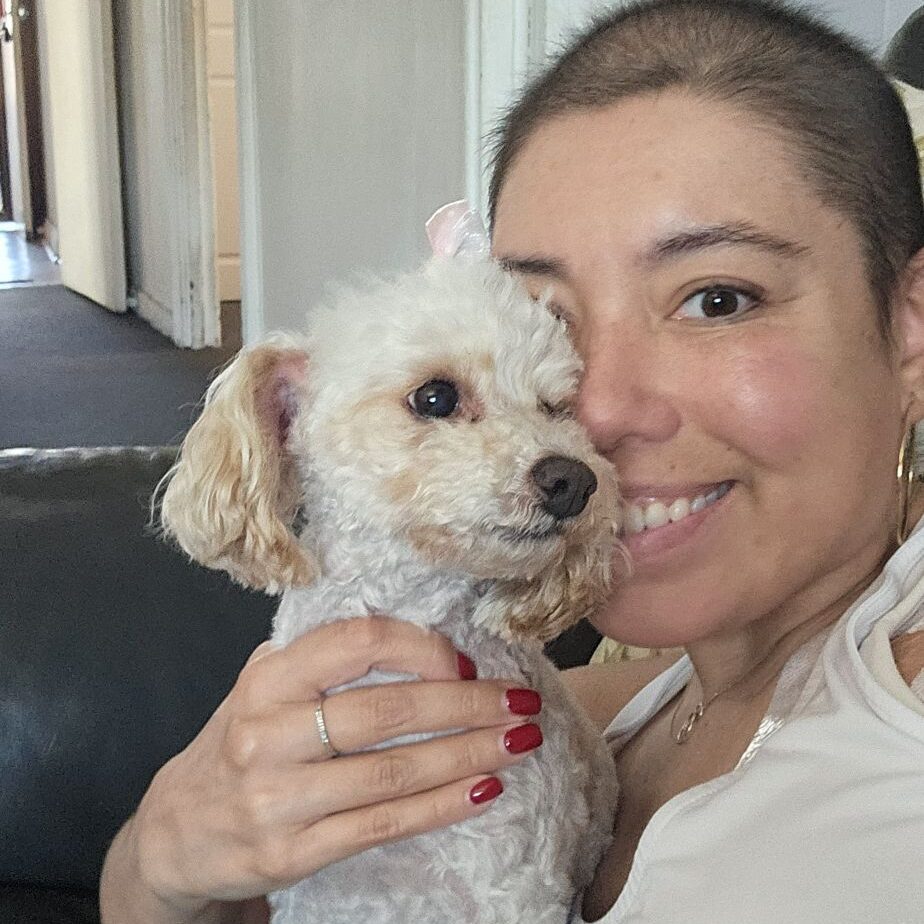
She has a newfound appreciation for the smallest things in life, including her morning walks with her dog. Vanessa recalls the first time she went for a morning walk after treatment and she cried the whole way.
“It was the most joyful walk I have every done”.
She took in every tiny detail – the sights, sounds, smells and flowers around her – and stared in awe at a tiny ant carrying a crumb. She found joy once again and was so grateful to be alive and experiencing these moments.
These days, Vanessa finds herself often parking her car just a little further away from where she needs to be, just so she can experience the joy of walking a little longer.
Vanessa acknowledges that her treatment could have destroyed her mental health. But she strongly believes her progress comes down to that very first moment of asking the doctors:
“What do I need to do to get better?”
Today, her challenge is working out what life looks like beyond the disease and the recovery. Being on the other side can be scary too, without the constant vigilance and regularity of seeing the doctors and nurses.
But Vanessa remains focused on her goals – 3 years, 4 years, then 5 years post transplant. She looks forward to the day she reaches that five year milestone and can breathe a sigh of relief, knowing she is among the 60%-70% of people who go on to thrive.