Where are they now? Catching up with nurse Ide Irwin
Healthcare Provider stories Latest News

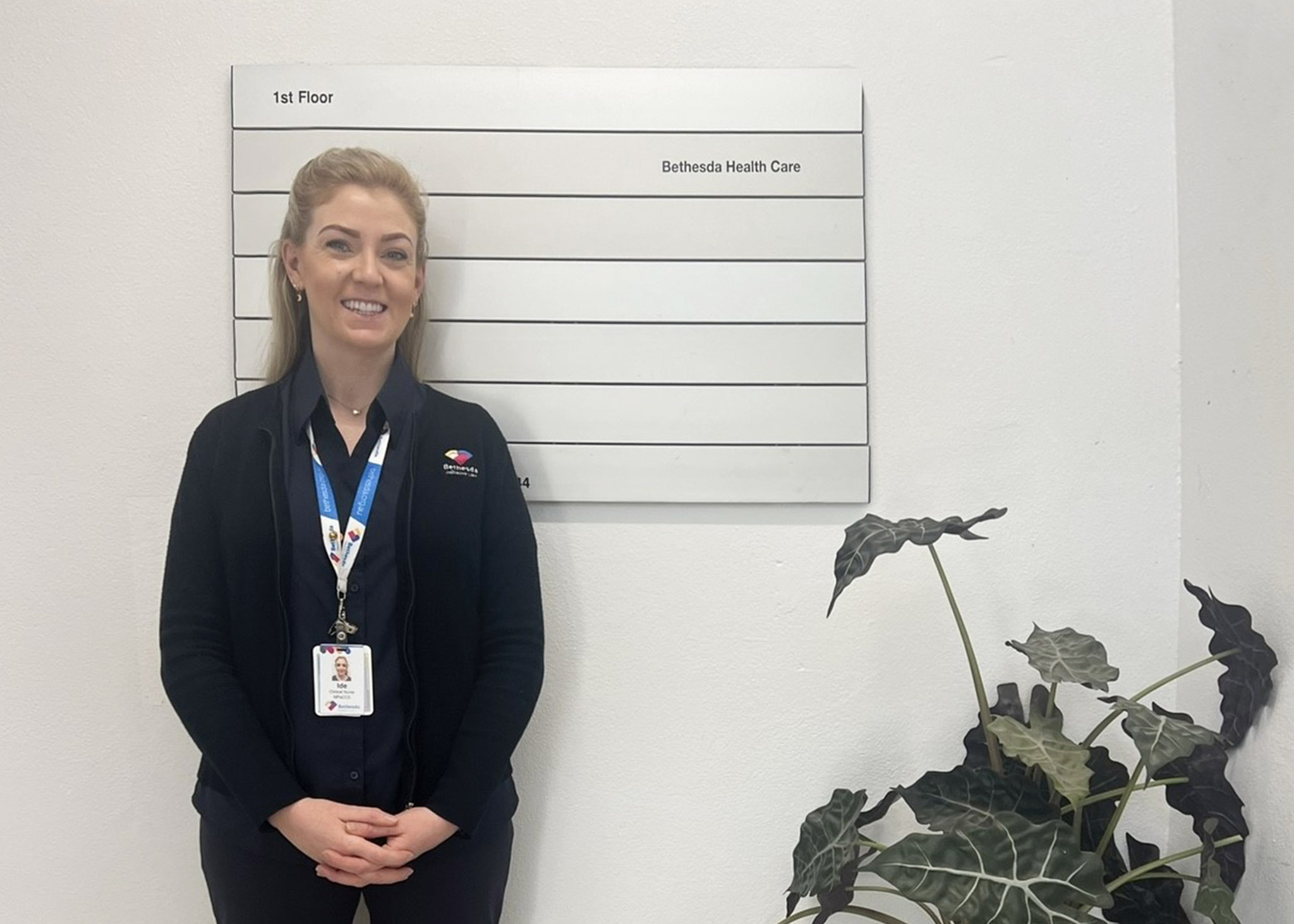
Ide Irwin, who has been a nurse on the Haematology and Bone Marrow Transplant Unit at St Vincent’s Hospital, Sydney since 2018, thought she knew a lot about haematology nursing until, that is, she got part way through a Master of Cancer & Haematology Nursing. It was then that she realised how complex and fascinating this area of nursing care really is, and how much she still had to learn.
Ide was awarded a Trace Richey scholarship through Arrow in 2019 and now, in 2023, has completed the degree.
We caught up with Ide to find out how she went with juggling study and life, and what this degree means for her nursing career.
Thanks for talking with us, Ide. Firstly, what was the driver behind you returning to uni to study for a Masters degree?
I began working on the Haematology/Bone marrow Transplant (BMT) ward in 2018. I swiftly developed a passion for the patients, and for the busy-ness and challenges of this ever changing specialty. X9S (the BMT ward at St Vincents) advertised itself as a ward that brings research to the bedside, and it was every bit of that. In order to keep up with the changes and new treatments, I decided to further my education and understanding in this field to give me a good base and more knowledge, to be the best nurse I can be for the patients I look after.
What does the completion of this degree mean for you in terms of work?
Completing this degree has made me a more assured and positive nurse. This degree has given me more knowledge and confidence in myself as a nurse. Patients sense that, and are more comfortable as a result. The patients we care for are vulnerable and deserve the best care we can give them. This degree also opens doors to new professional opportunities.
What does your new knowledge mean for the other nurses you work with?
Was there anything that surprised you about the degree you’ve just completed?
I was surprised by how capable I was! My work place was amazing and so so encouraging. The lecturers were amazing, when things got tricky and I needed a bit of guidance or just to work out how to do something they were always ready to give amazing support.
What was the hardest part of going back to uni?
Putting aside the time to study! A degree like this deserves time. Once I had a time management plan in place with my family, it worked out really well. There was a new challenge every year (COVID, then baby, then another baby!) but we navigated all that with very supporting friends, uni, and work. And in all honesty, it wasn’t that hard in the end.
What was the most fascinating aspect of the degree you’ve just completed?
I think being able to really understand just how big an area haematology and cancer care is, with so many different avenues to look into.
If I could listen in on you talking with a newly graduated nurse about the work you do with haematology patients, what would I hear?
It is an amazing specialty, very technical, and you will be an extremely skilled and knowledgeable nurse as you continue your career in this field. The patients are the most amazing people you will ever meet. You will feel overwhelmed by how strong and positive these patients are and you will learn so much from them.
________________________
If you’re a nurse in the field of haematology, and specifically bone marrow transplant care, and you’re looking to further your education in this field, please enquire about our nursing scholarships.