
Leaving MS Behind
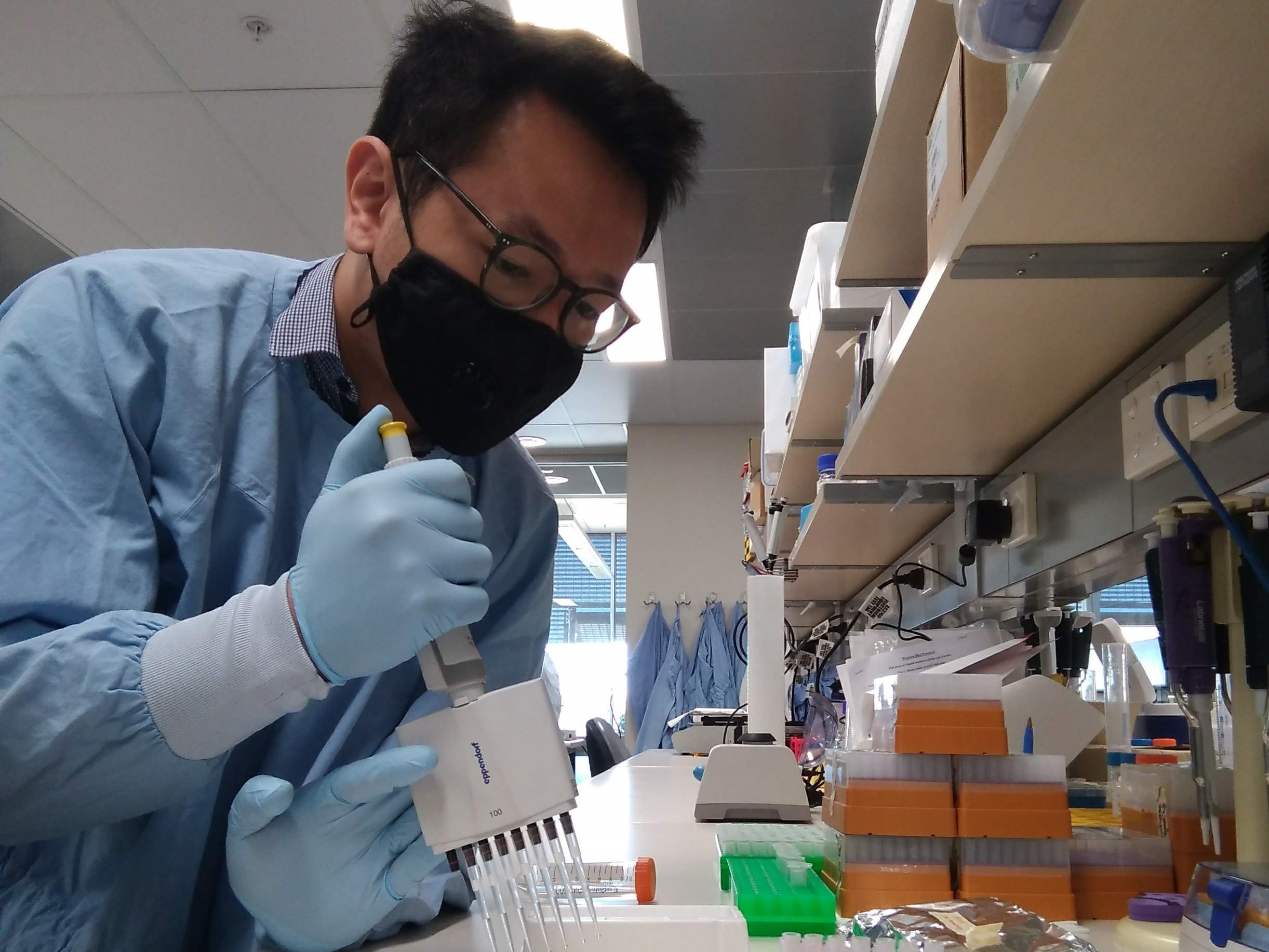
He’s a keen runner, practises one of the oldest surviving Japanese martial arts—Katori Shinto Ryu—and is driven by his curiosity for the immune system. That drive has gained Kevin Hendrawan—a PhD candidate at St Vincent’s Centre for Applied Medical Research (AMR)—a grant of $14K from the Arrow Foundation Special Grants fund. Kevin will […]
Music to our patient’s ears
It is well known that significant numbers of post-transplant patients have reduced quality of life, such as tiredness from anxiety/stress, depression and insomnia. A number of non-drug based interventions to improve transplant patient’s well-being has been evaluated with varying degrees of success. A recent Telehealth trial on exercise and mindfulness training has seen significantly positive […]
Haematopoietic Stem Cell Transplant Research Funding
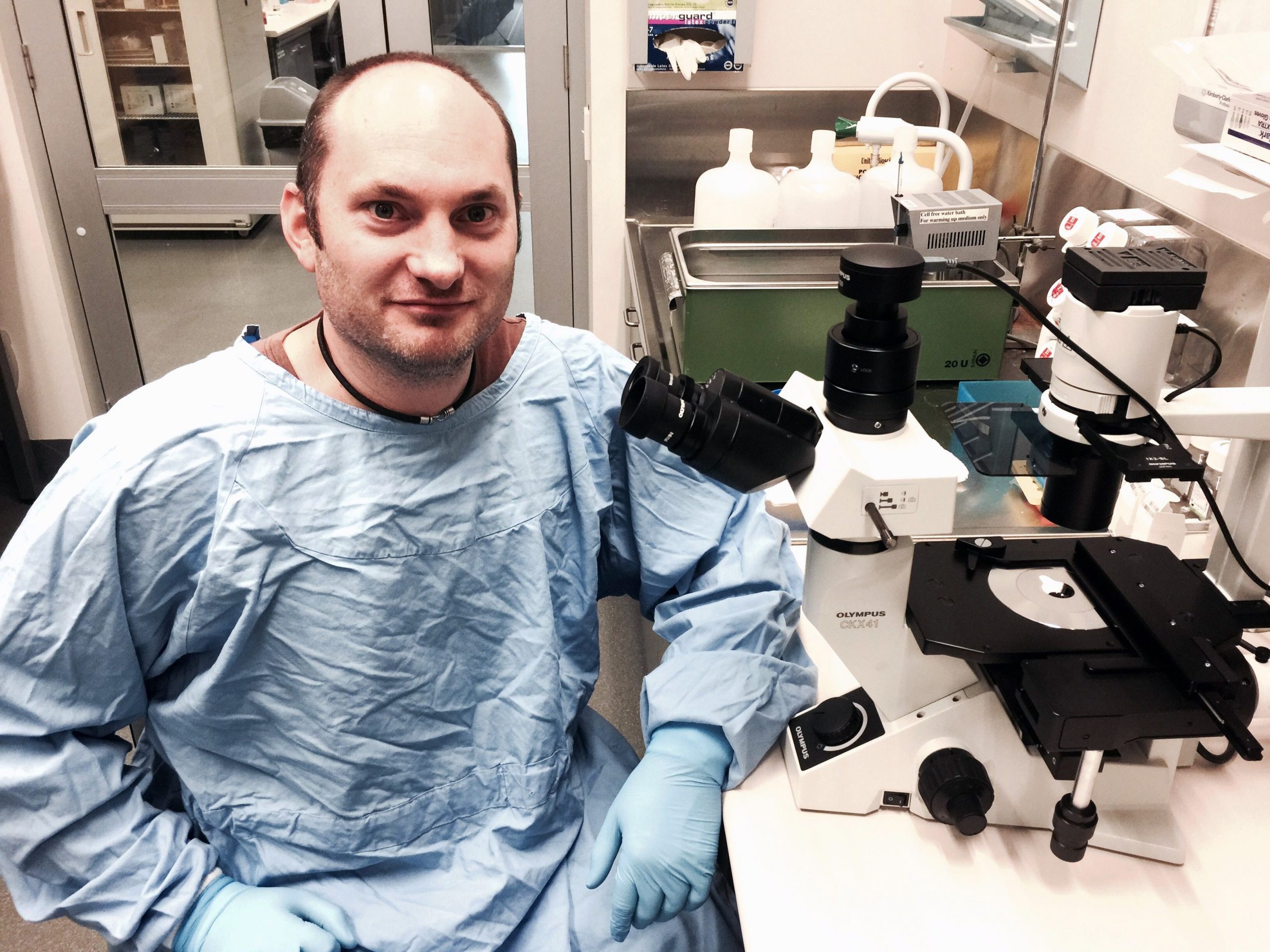
With the uncertain economic outlook due to COVID, never has it been more important for charities like Arrow to keep up the funding for medical research. We recently made a grant of $70,630 to Dr Tim Molloy, an outstanding researcher, who is working with Professor David Ma at the Blood, Stem Cell and Cancer Research […]

Arrow / HCC PhD scholarship awarded to Natalia Pinello
We are pleased to award Arrow / HCC scholarship funding to Natalia Pinello from The Centenary Institute, providing approximately $13,000 per year towards her PhD project until 2021. Natalia wrote: The DNA in all of the cells in our body control what each cell looks like and all of its specific functions. This is because […]
Arrow and the Hawkesbury Canoe Classic (HCC) fund targeted therapies
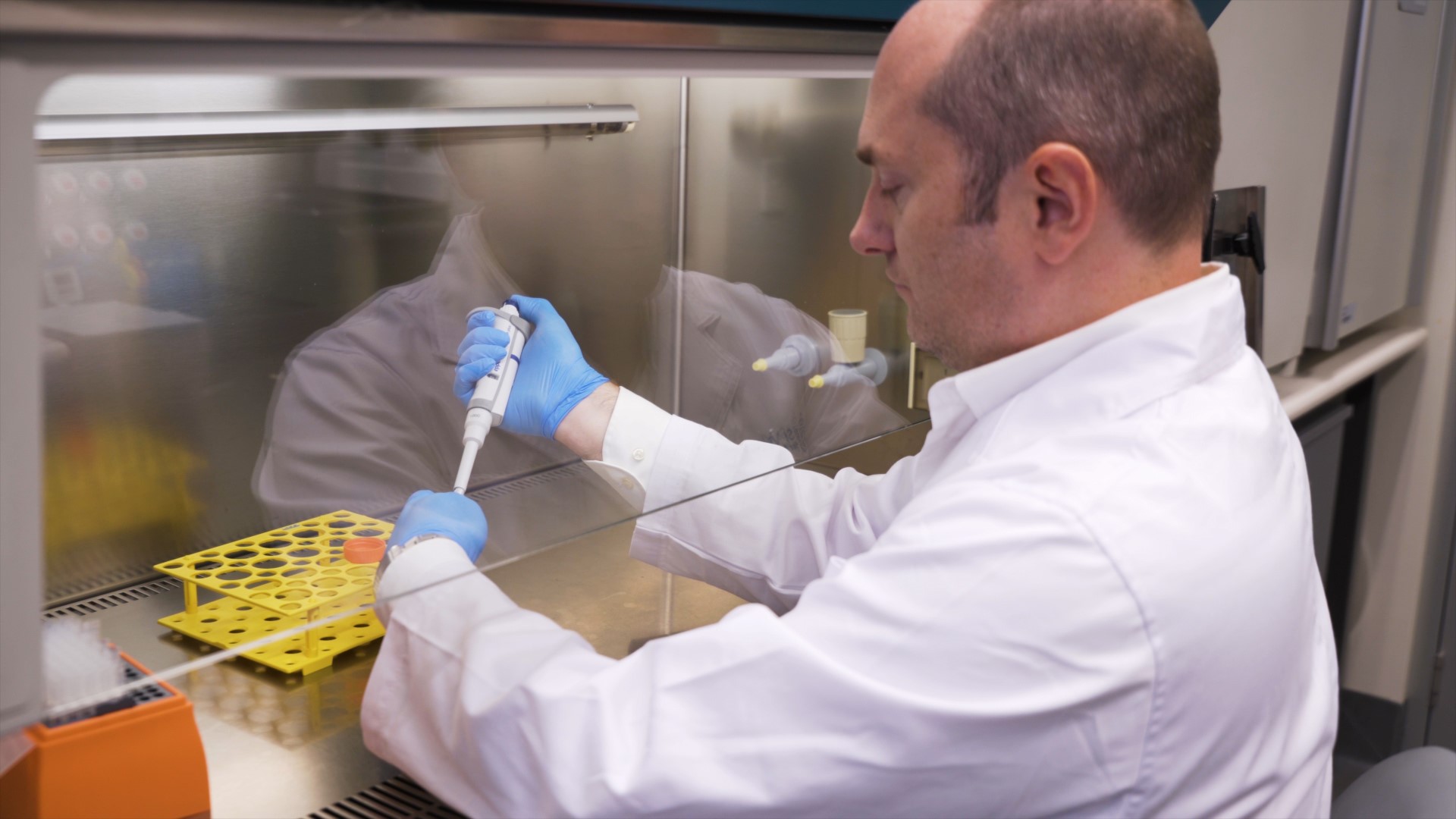
The vital work of Arrow / HCC research scientist, Dr Tim Molloy, and projects undertaken by Arrow / HCC PhD scholarship students will continue to improve treatments for bone marrow transplant patients thanks to a $93,000 donation from Arrow’s major supporter, the Hawkesbury Canoe Classic (HCC). Dr Tim Molloy said: “Having the support of Arrow […]
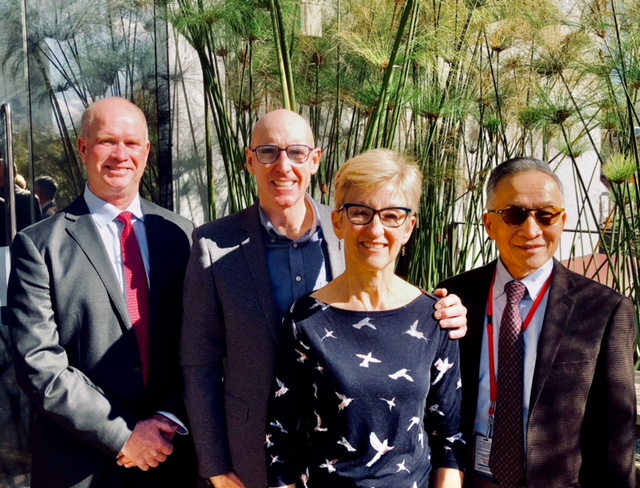
Record donation of $1 million to Arrow for Stem Cell Transplantation research
Arrow is pleased to announce that Vicki and Michael Quigley have donated $1 million to Arrow to support the research work of Professor David Ma, Department of Haematology and Bone Marrow Transplant, St Vincent’s Hospital, Sydney. When Arrow was established 30 years ago, bone marrow transplants were only suitable for a limited numbers of patients […]
Latest Arrow/HCC achievements in research
Arrow/HCC Research Scientist 2017 report In 2017 Dr Melinda Tursky continued her research in targeting genes which drive the progression from normal to cancerous blood cells in the Blood Stem Cell and Cancer Research Programme, St Vincent’s Centre for Applied Medical Research. During this period, Melinda’s work focused on discovering therapeutic potential of specific inhibitors […]
Where are they now?
It’s always interesting to hear what our past Arrow/HCC PhD Scholarships recipients are up to and we recently received an email from Dario Gerace letting us know that he has completed his PhD research at the University of Technology Sydney (UTS) and the research output from his PhD is currently under review for publication in […]
Clinical trial gives new hope to patients without matched donors
In 2016, Arrow provided a grant of $100,000 to a clinical trial offering hope to transplant patients without a matched donor. The trial started with patients at St Vincent’s Hospital Sydney and has now grown to include three more hospitals with one more expected to join in 2018. The trial has the ability to provide […]
Arrow grant helps in developing new therapies and diagnostic tests
Written by Dr. Tim Molloy (senior researcher) The Blood, Stem Cell, and Cancer Research (BSSCR) laboratory is a multidisciplinary research group consisting of clinicians, postdoctoral scientists, and students situated within the Department of Haematology and Bone Marrow Transplantation of St Vincent’s Hospital. Arrow has generously been supporting some of our key research lines for many […]
ABMTRR releases 25 years of Registry data
This year the Australasian Bone Marrow Transplant Recipient Registry (ABMTRR) marks 25 years and has included an extra section in its Annual Data Summary showing transplant trends from 1992 to 2016. There were 2,174 registered transplants in Australia and New Zealand in 2016; and the report shows that transplant numbers continue to increase, in particular […]
Arrow funds a literature review
Nurses and dietitians caring for people post-transplant have noted in their clinical work that despite the current management, patients who receive autologous and allogeneic bone marrow transplants (BMT) are still reporting nausea and vomiting for prolonged periods of time. It is commonly observed that patients require medication for nausea, to a lesser extent vomiting, up […]