When getting that jab isn’t as easy as it sounds: Post-transplant vaccination training for South Australian nurses.
Healthcare Provider stories Latest News

Why post-transplant vaccination is important, why it’s not always as simple as it sounds. (And what Arrow is doing to help!)
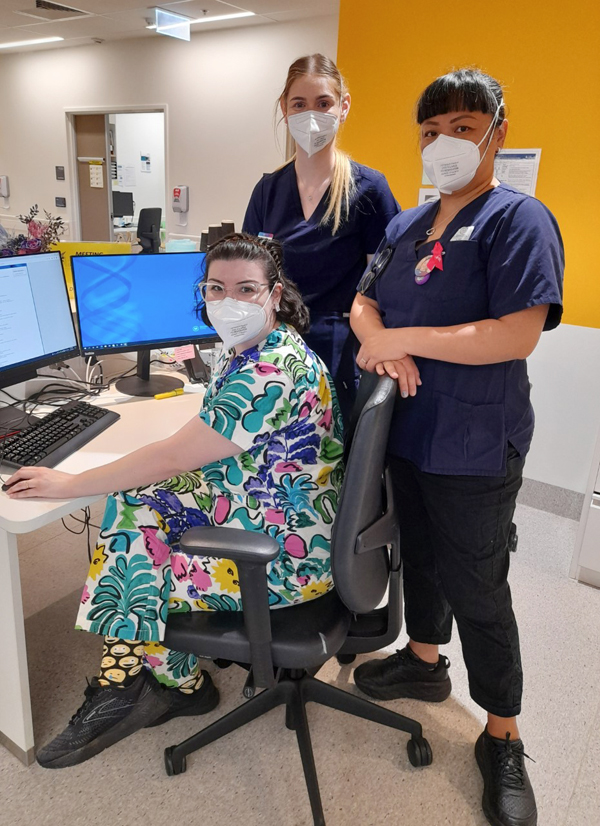
Recently we awarded a scholarship for eight nurses from the Cancer Outpatient Nursing Team at the Royal Adelaide Hospital to complete the Understanding Vaccines and the National Immunisation Program. Every bone marrow transplant patient from Royal Adelaide (which includes not just residents of South Australia, but also people from the Northern Territory, too) will benefit from the skill and knowledge these nurses have gained from their training.
This opportunity for training was made possible through generosity of the Driscoll family who kindly agreed to expand the scope of their traditional funding of the Professor Geoffrey Driscoll Nursing Scholarships to meet this need.
Read on to learn why post-transplant vaccinations are needed, and why this training is so important.
Before you have a bone marrow or haematopoietic stem cell transplant, there’s a “conditioning” phase where pre-transplant treatments aim at preparing the patient’s body for transplant. These treatments allow the stem cells to successfully engraft or “take”. The type of conditioning depends on a lot of factors (the type of disease the patient has, the type of bone marrow transplant they’re preparing for, the age and health of the patient for starters), but all of the conditioning regimes disrupt the patient’s immune system.
This disruption is both a good thing and a bad thing: It’s a good thing in that it suppresses the patient’s immune system enough to allow the graft of new haematopoietic stem cells to occur. Without the conditioning, the patient’s body would attack the new cells and engraftment (when the new stem cells start to grow and make healthy blood cells) wouldn’t happen. BUT it’s also a bad thing in that it leaves the patient extremely immunocompromised and unable to fight infections and other diseases, including all the diseases we are routinely protected from by our childhood vaccination program.
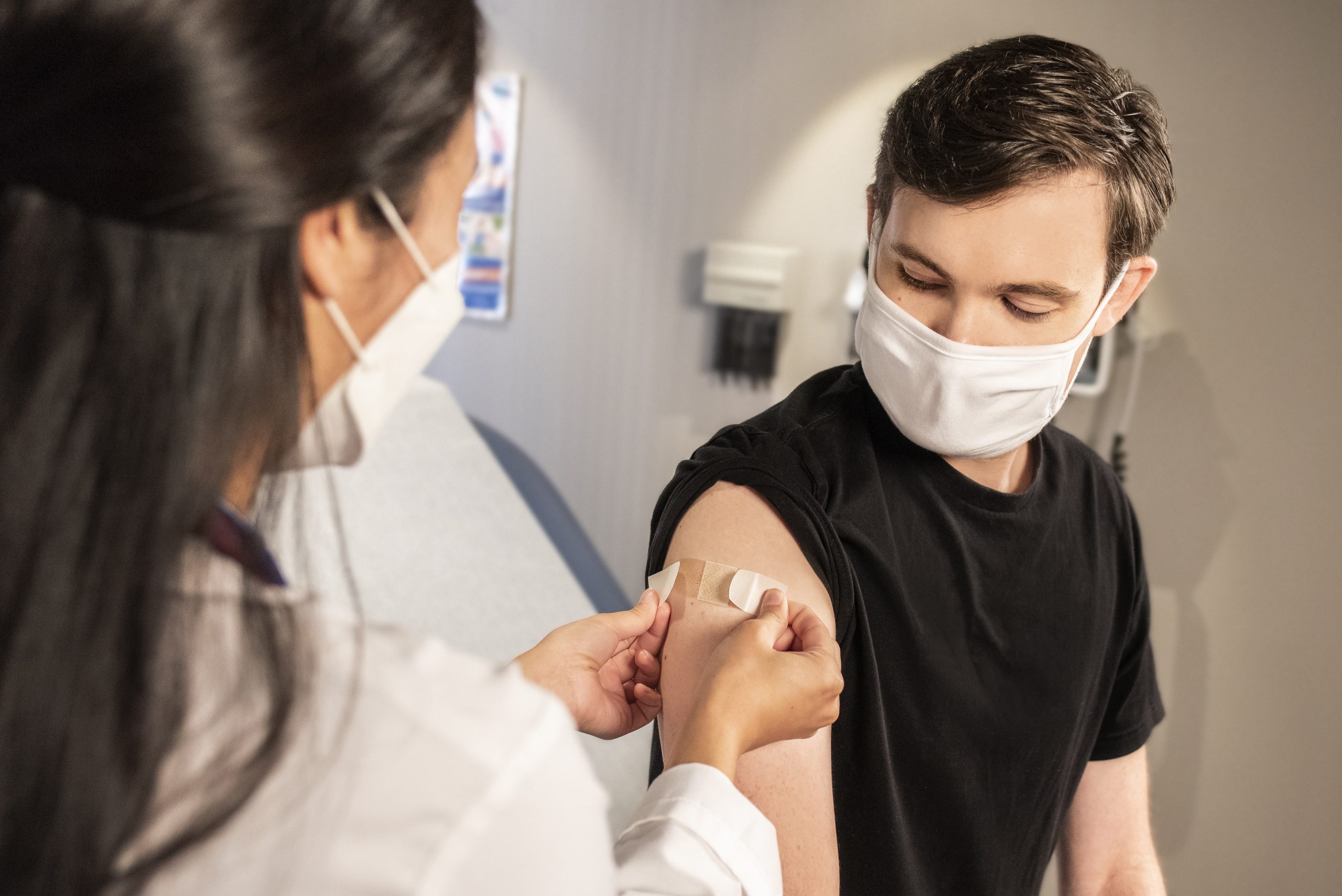
Once a bone marrow transplant patient is stable enough after their transplant, attention turns to post-transplant vaccination programs. Like most things BMT-related, a post-transplant vaccination program is not as simple as it sounds. Because patients are so severely immunocompromised, there are some types of vaccines they can’t have, and for those vaccines they can have, they often don’t have the same level of immune response, so they might need more doses than usual to get the protection they need. It’s also important that families of bone marrow transplant patients are on top of their own immunisations too.
Add to all that the recent press and social media coverage that vaccinations have had since the beginning of the pandemic, and you can see the need for nurses and other health care professionals to be up-to-date with the latest training.
The team of nurses who attended this training said, “We work [giving vaccinations to] a special cohort of patients. It is important that we all understand the rationale for vaccination administration, and that the way we administer them and educate our patients regarding vaccinations is evidence based and patient-centred. A huge thank you to the Arrow Bone Marrow Transplant Foundation for giving us this opportunity.”
And thank you again to the Driscoll family for their continued support of nurses working in bone marrow and stem cell transplant.